
Professional pest companies start with an inspection to identify silverfish habitats and food sources when performing silverfish pest control. They use targeted insecticides and baits in hiding spots, along with dust treatments for hard-to-reach areas. Implementing integrated pest management strategies, they focus on reducing moisture and eliminating food sources. To prevent future infestations, they recommend sealing cracks and keeping your space clutter-free. If you're curious about more specific techniques and tips, there's plenty more to uncover!
Key Takeaways
- Silverfish pest control begins with thorough inspections to identify damp areas and food sources that attract silverfish.
- Targeted insecticide applications are used in hiding spots like cracks, crevices, and baseboards.
- Baits are employed to lure silverfish into consuming toxic substances for effective extermination.
- Integrated pest management combines chemical treatments with non-chemical methods to ensure long-term control.
- Adjusting humidity levels and sealing entry points helps prevent future infestations.
Understanding Silverfish Behavior and Habitat
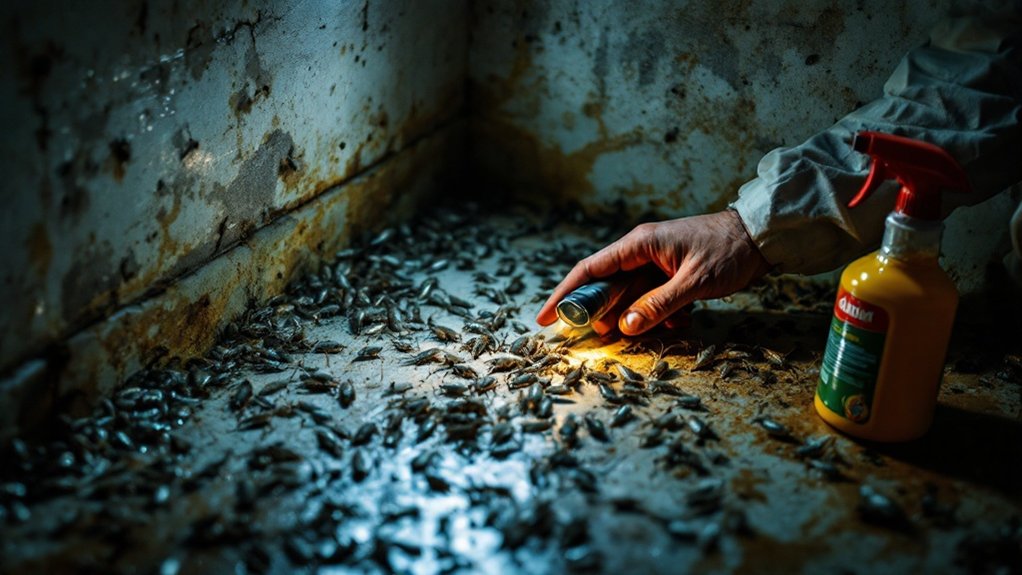
To effectively combat a silverfish infestation, it is crucial to understand their behavior and habitat. Silverfish thrive in damp, dark environments, often lurking in basements, attics, and bathrooms. They love areas with high humidity, so check for leaks or condensation that might attract them. You might notice them scurrying away when you turn on a light, as they're nocturnal and prefer to stay hidden during the day.
Their diet primarily consists of carbohydrates, which means they're drawn to paper, glue, and even clothing. If you've got old books or stored items, these could be prime targets. Silverfish reproduce quickly, so if you spot one, there's a chance others are nearby. Understanding these habits helps you take proactive steps to eliminate potential hiding spots and food sources, making your home less appealing to these pests.
Silverfish Pest Control: Inspection and Assessment
Recognizing the signs of a silverfish infestation is the first step toward effective silverfish treatment. You'll want to look for small, silvery insects scurrying away when you turn on the light, as well as their telltale damage, like holes in paper or fabric. During the initial pest inspection, professionals will assess your home's environment, checking damp areas like basements, bathrooms, and kitchens where silverfish thrive.
They'll also inspect for food sources, such as stored grains or cardboard boxes. This thorough evaluation helps identify the severity of the infestation and the most vulnerable areas in your home. By taking note of these factors, pest control experts can tailor their approach to your specific situation. Once they complete the assessment, you'll have a clearer understanding of the problem at hand, setting the stage for effective treatment solutions to eliminate these pesky pests.
Understanding the conducive conditions and food sources will help when developing a silverfish pest control treatment plan.
Treatment Methods Employed by Pest Control Professionals

Once the inspection is complete, professional pest control experts and silverfish exterminators deploy a variety of treatment methods to tackle silverfish infestations effectively. They'll often start with targeted insecticide applications, focusing on areas where silverfish are likely hiding, such as cracks, crevices, and baseboards. These treatments disrupt the pests' life cycle and help reduce their population.
In addition to insecticides, professionals may use baits that attract silverfish, allowing them to consume toxic substances and eliminate themselves from your home. They might also employ dust treatments in hard-to-reach spaces, guaranteeing thorough coverage against these pests.
Furthermore, some companies use integrated pest management (IPM) strategies, combining chemical and non-chemical methods for a balanced approach. This could include removing food sources and adjusting humidity levels to make your environment less hospitable to silverfish. By employing these methods, professionals work to guarantee your home is silverfish-free and remains that way for the long term.
Preventive Measures for Long-Term Silverfish Control
While treating silverfish infestations is essential, taking preventive measures can greatly reduce the likelihood of their return. Start by eliminating moisture sources, as silverfish thrive in humid environments. Use dehumidifiers in damp areas like basements and bathrooms, and fix any leaks promptly. Next, seal cracks and crevices around windows, doors, and plumbing to block their entry points.
Keep your home clutter-free; silverfish love hiding in piles of paper, cardboard, and old clothes. Store items in airtight containers to limit their access to food sources. Regularly vacuum and dust, especially in dark corners and behind appliances, to remove eggs and food debris.
Lastly, consider using natural repellents like essential oils or diatomaceous earth in areas prone to infestations. By implementing these preventive measures, you'll create an environment that's less inviting for silverfish, helping to guarantee your home remains pest-free in the long run. In addition to natural repellents, maintaining low humidity levels and ensuring proper ventilation can further aid in silverfish prevention. Regularly decluttering and storing items in airtight containers are also effective silverfish prevention tips that help eliminate potential hiding spots. By taking these comprehensive steps, you can significantly reduce the likelihood of a silverfish invasion in your home.
When to Seek Professional Help of a Silverfish Exterminator
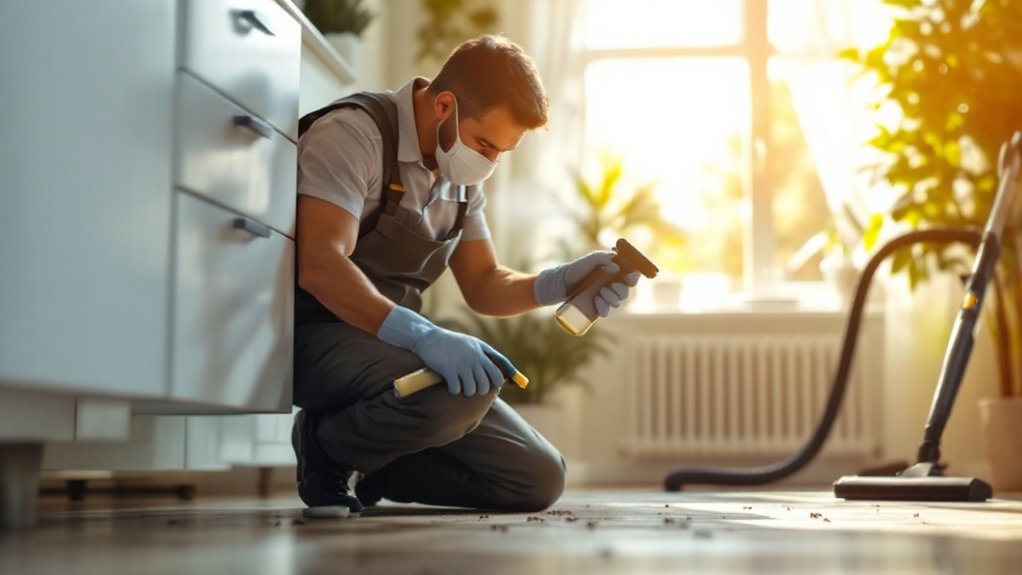
Even with diligent preventive measures, silverfish can sometimes persist or return in larger numbers. If you've noticed increased activity or damage to your belongings, it's time to contemplate seeking professional help. You shouldn't ignore signs like yellow stains on paper, shredded fabrics, or even the presence of live or dead silverfish.
When DIY methods fail to yield results or if the infestation seems overwhelming, professional pest control services can provide targeted treatments that are more effective. They have access to specialized tools and insecticides that go beyond what's available to homeowners.
Additionally, if you're dealing with a recurring issue, it could indicate underlying problems, such as moisture or structural issues, that professionals can identify and address. Don't hesitate to reach out; a pest control expert can help restore your home to a safe and comfortable state.
Contact My Pest Pros for Silverfish Pest Control
In the battle against silverfish, think of your home as a fortress, and professional silverfish exterminators as skilled knights. At My Pest Pros, we wield powerful treatment methods to vanquish these elusive foes, ensuring your castle remains safe. With our expertise, we not only eradicate the current infestation but also fortify your defenses against future attacks. So, when you spot these intruders, don't hesitate to call My Pest Pros at 571-512-5817 to schedule a pest treatment—protect your sanctuary and reclaim your peace of mind.