
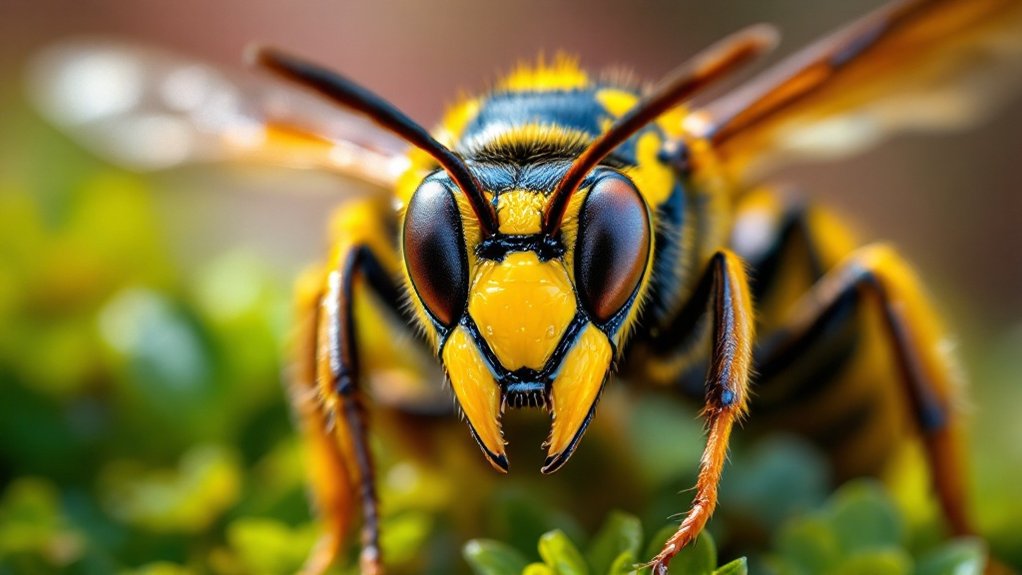
Bald-faced hornets are a common pest issue for homeowners in Northern Virginia and Maryland. Known for their aggressive behavior and painful stings, these insects can become a significant nuisance, especially when they build large aerial nests around residential areas. To effectively manage bald-faced hornets and keep your property safe, it’s essential to understand their behavior, identify their nests, and explore the best strategies for prevention and hornet nest removal.
Understanding Bald-Faced Hornets
Bald-faced hornets, despite their name, are not true hornets but a type of yellowjacket wasp. They are easily recognizable due to their black bodies and distinctive white markings on their faces. These insects are social and live in colonies that can house hundreds of hornets, making them particularly dangerous when their nests are disturbed.
Bald-faced hornets are larger than most other wasps, measuring about 0.5 to 0.75 inches in length. They have a smooth, elongated body and six legs, which distinguishes them from bees. Their nests are typically gray, paper-like structures that resemble a football or an upside-down teardrop.
Nesting Habits
Bald-faced hornets build aerial nests high in trees, shrubs, or under the eaves of homes and other structures. These nests can grow quite large, sometimes reaching the size of a basketball. The insects create their nests by chewing wood fibers and mixing them with their saliva to produce a durable, paper-like material.
In Northern Virginia and Maryland, bald-faced hornets become active in the spring when the queen starts building a nest. The colony continues to grow throughout the summer, reaching its peak size in late summer and early fall. This is also the time when the hornets are most aggressive, as they become highly protective of their nests.
Risks Associated with Bald-Faced Hornets
Bald-faced hornets are known for their aggressive behavior, especially when their nests are disturbed. Unlike bees, they can sting multiple times, injecting venom with each sting. This makes them particularly dangerous to individuals who are allergic to insect stings.
For most people, a sting from a bald-faced hornet can result in intense pain, swelling, and redness around the sting site. However, for those with allergies, a sting can trigger severe reactions, including difficulty breathing, swelling of the face or throat, and even anaphylactic shock, which requires immediate medical attention.

Identifying a Bald-Faced Hornet Infestation
To effectively manage a bald-faced hornet problem, it’s important to identify signs of an infestation early. Here are some key indicators:
- Presence of Nests: Look for large, gray, paper-like nests hanging from tree branches, shrubs, or under the eaves of your home. These nests are usually oval or teardrop-shaped.
- Increased Hornet Activity: If you notice an increase in hornet activity around your property, particularly near potential nesting sites, it’s a sign that a colony may be nearby.
- Aggressive Behavior: Bald-faced hornets are highly territorial and may become aggressive if you approach their nest.
Prevention Strategies
Preventing bald-faced hornets from building nests on your property is the first line of defense against an infestation. Here are some effective prevention strategies:
- Regular Inspections: Conduct routine inspections of your property, especially during the spring and summer months, to identify any potential nesting sites early.
- Remove Attractants: Keep your outdoor areas free of food sources that might attract hornets. This includes securing trash cans, cleaning up food spills, and managing compost piles effectively.
- Seal Entry Points: Inspect your home for gaps or cracks that could serve as entry points for hornets. Seal any potential openings to prevent hornets from nesting in eaves, attics, or wall cavities.
- Maintain Landscaping: Trim back overgrown shrubs and trees where hornets may choose to build their nests. Keeping a tidy yard can reduce the likelihood of attracting these pests.
- Use Decoys: Hanging fake hornet nests can sometimes deter real hornets from establishing a nest nearby, as they are territorial and tend to avoid areas that appear occupied.
Safe Removal of Bald-Faced Hornets
When it comes to removing bald-faced hornets, safety should be the top priority. If you spot a nest, avoid disturbing it, as this can provoke the hornets and lead to aggressive behavior.
Professional Pest Control
For large nests or if you’re unsure of how to proceed, contacting a professional pest control service is highly advisable. Trained technicians can safely remove the nest and ensure that the area is treated to prevent future infestations. In Northern Virginia and Maryland, it’s important to work with a pest control provider that understands the local ecosystem and the behaviors of bald-faced hornets. Professional wasp exterminators have the training and safety equipment to safely remove hornet nests.
DIY Hornet Removal Approaches
If you decide to tackle a nest on your own, follow these safety guidelines:
- Choose the Right Time: The best time to tackle a nest is at night when hornets are less active.
- Wear Protective Clothing: Ensure you are fully covered with long sleeves, pants, gloves, and a face mask to protect yourself from stings.
- Use Insecticidal Sprays: From a safe distance, use a targeted insecticidal spray designed for hornets. Aim for the nest entrance to ensure maximum exposure.
- Monitor the Area: After treatment, monitor the area for activity. If you continue to see hornets, it may be necessary to repeat the treatment or consult a professional.
Benefits of Professional Pest Control For Stinging Pests
While DIY methods can be effective for small nests, larger infestations should always be handled by professionals. Here are some benefits of hiring a professional pest control service:
- Expert Assessment: Professionals conduct thorough inspections to identify the type of pest and the extent of the infestation.
- Safe Nest Removal: Experts use specialized equipment and protective gear to safely remove nests without risking stings or injury.
- Effective Treatment: Pest control professionals have access to treatments that are more effective than over-the-counter products.
- Prevention Advice: In addition to removing pests, professionals can provide valuable advice on how to prevent future infestations.
When to Call a Professional For Wasp Pest Control
If you notice a bald-faced hornet nest on your property or experience increased hornet activity, it’s best to contact a professional pest control company. Early intervention can prevent the situation from escalating.
Call A Bald-Faced Hornet Exterminator Near You
Bald-faced hornets can pose a significant threat to homeowners in Northern Virginia and Maryland. Understanding their behavior, identifying their nests, and employing effective prevention and removal strategies are essential steps in managing these pests.
Contact My Pest Pros at 703-665-4455 t0 schedule a pest treatment today for expert pest control assistance, Protect your home and family from the dangers posed by bald-faced hornets with the help of our experienced team of wasp exterminators.