
The sight of scurrying rats in Washington, DC streets is more than just a nuisance—rats a growing public health concern fueled by climate change. Over the past decade, rat sightings in the city have skyrocketed by over 300%. You might wonder why this increase is happening, and the answer lies in several interconnected factors. Rising temperatures, particularly warmer winters, allow rats to forage longer and reproduce more frequently. With their reproductive cycles accelerating, it's no surprise that these pests are becoming harder to manage.
Does Climate Change Mean More Rats in Washington, DC?
Climate change is likely contributing to increased rat activity in Washington, DC. Warmer winters can give rats more time to forage and reproduce, while urban conditions provide the food and shelter they need to thrive. Climate change is not the only factor, but warmer temperatures can make an existing urban rat problem more difficult to control.
Urbanization plays a vital role in this explosion of rats in Washington, DC, and other cities. As more people flock to cities, the increased density creates an ideal environment for rats to thrive. It's not just cities either. Rats are a growing problem in Fairfax, Arlington, and other nearby counties. Human activities inadvertently support these populations by providing ample food sources, often from improperly disposed waste. If you're living in a densely populated area, you may notice that rats aren't just a problem in alleys but are becoming more visible in public spaces, raising alarms about public health risks. These rodents can carry diseases and contaminate food supplies, putting you and your community at risk.
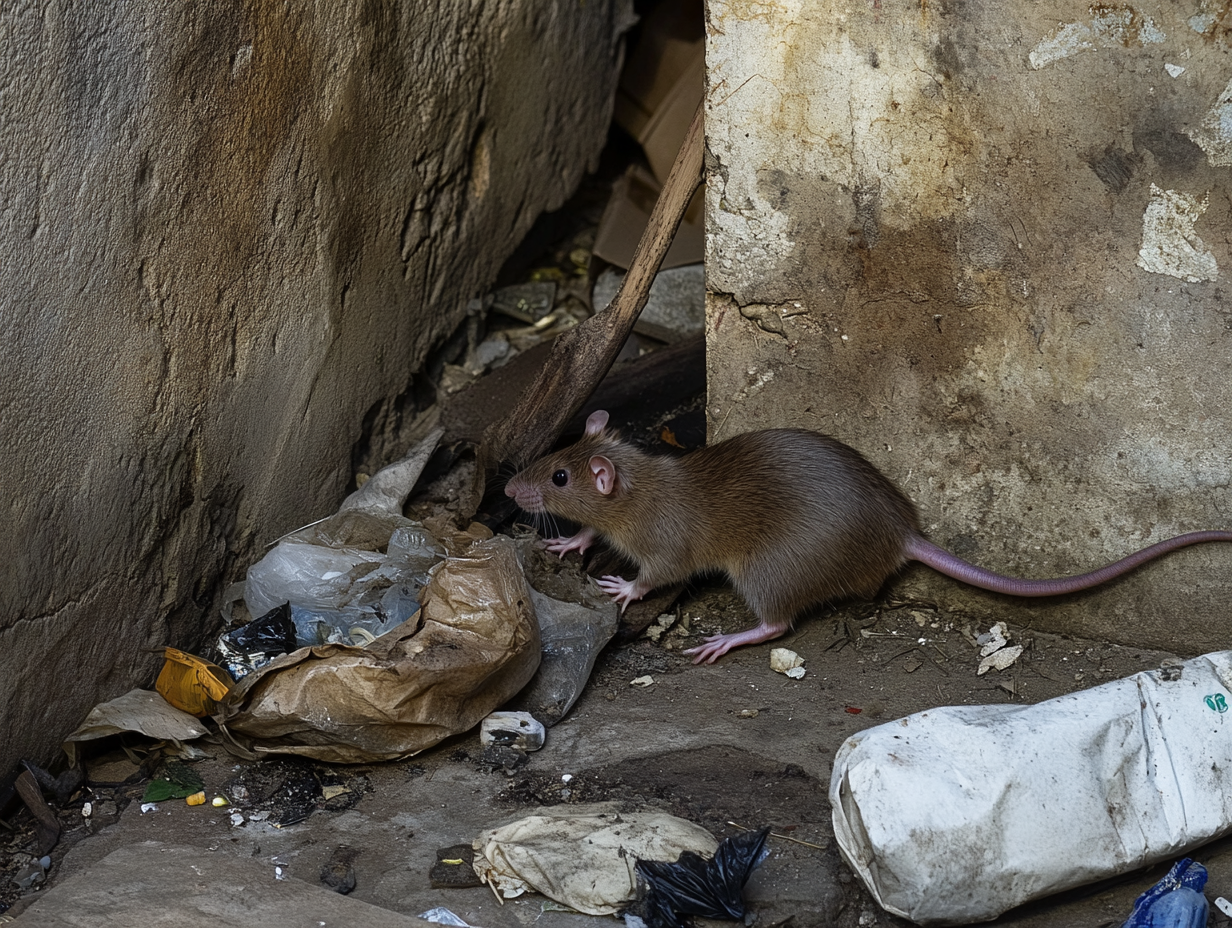
Washington, D.C. isn't alone in this struggle with rat infestations; cities like New York and Toronto are experiencing similar trends, painting a broader picture of a global issue. About 40% of the increase in rat sightings in D.C. can be directly linked to climate change. Warmer winters create the right conditions—food availability, shelter, and warmer weather—these pests flourish. Greater temperature increases provide them with the perfect habitat, making it increasingly difficult to control their numbers. More warm days can extend rodent activity, so property owners should consider Washington, D.C. pest control and professional rodent control when droppings, burrows, gnaw marks, or repeated rat activity appear.
To combat this rat population boom, cities need to adopt effective rodent management strategies. Improved waste management is essential; securing food waste and making it inaccessible to rats can greatly reduce their food sources. Additionally, climate-resilient urban planning must become a priority to address the root causes of the infestation. For homes and businesses dealing with recurring rat activity, a professional rodent control program can help manage the problem and create a pest management plan for the property.
It's essential for local governments to allocate more resources to tackle the problem effectively, considering that global spending on rat management is estimated at around $500 million annually.
Ultimately, shifting focus from traditional pest control methods to more sustainable measures can make a considerable difference. By eliminating food sources and habitats rather than just relying on poisons, you can contribute to a healthier urban environment. The growing population of rats in Washington DC demand attention, and it's up to all of us to advocate for solutions that tackle this pressing public health concern.
Common Questions About Rats in Washington, DC
Why are there more rats in Washington, DC?
Several factors can contribute to increased rat activity in Washington, DC, including warmer temperatures, urban density, food availability, and improperly disposed waste. Warmer winters can also allow rats to remain active and reproduce for longer periods.
Does warmer weather increase rat activity?
Warmer conditions can extend the amount of time rats have to forage and reproduce. When food and shelter are readily available in urban areas, those conditions can make rat populations more difficult to manage.
When should you consider professional rodent control?
Property owners should consider professional rodent control when they notice repeated rat activity or signs such as droppings, burrows, or gnaw marks. Addressing an ongoing problem can help prevent rat activity from becoming more difficult to manage.
When to Consider Rodent Control in Washington, DC
Climate change is likely contributing to the increasing number of rats in Washington, DC Warmer temperatures and shifting weather patterns create ideal conditions for these pests to thrive. As urban environments continue to change, it's essential to address the factors that allow rats to flourish. If you're facing a rat issue, we recommend contacting My Pest Pros at 703-665-4455 to schedule a rat treatment. By taking proactive measures, you can help mitigate this issue and create a cleaner, healthier city for everyone. Don't underestimate the impact of climate change on our urban wildlife!