
In cold seasons, pest control improves health and safety around your home in ways many people do not think about. It reduces breeding grounds by eliminating clutter, preventing pests from finding shelter. You also minimize food contamination by using airtight storage and maintaining cleanliness. Effective pest control decreases disease transmission since pests like rodents can spread pathogens. Your indoor air quality improves as pest waste is handled properly, reducing allergens. Additionally, it protects your home's structural integrity by preventing infestations that can cause damage. Embracing these practices promotes peace of mind and supports overall hygiene. Discover more insights that highlight the significance of pest control in winter.
Key Takeaways
- Effective pest control reduces clutter and hiding spots, improving overall sanitation and discouraging pest breeding during cold seasons.
- Regular pest management prevents moisture issues, minimizing ideal habitats for pests that thrive indoors during winter months.
- Maintaining high cleanliness levels through pest control reduces food spills and contamination, promoting safe food storage even in colder weather.
- Proactive pest control measures protect structural integrity, preventing damage caused by infestations that could lead to unsanitary conditions.
- Routine pest inspections and treatments provide peace of mind, reducing anxiety and ensuring a clean, healthy home environment during cold seasons.
Reduces Pest Breeding Grounds

How can effective sanitation practices considerably reduce pest breeding grounds? Pest control improves health through a combination of pest treatments to eliminate pests and their conditions. By maintaining cleanliness and organization, you create an environment that's inhospitable to pests.
First, keeping areas free of clutter eliminates potential hiding spots, which disrupts their breeding cycles. Regular garbage pickup and proper waste disposal further minimize pest attractants, effectively reducing their habitats.
Additionally, sealing entry points is essential; when pests can't enter your home, they can't find shelter or reproduce. Eliminating standing water and damp areas also plays a significant role in discouraging pest habitation. Moist environments are ideal for many pests, so addressing these issues is critical. This is particularly important during winter when cold weather attracts pests seeking warmth indoors.
Regular yard maintenance, like clearing debris and storing firewood away from your home, decreases the number of available shelters. By removing crop residues and ensuring clean food-handling areas, you reduce the chances of pests finding food sources, which directly impacts their breeding cycles.
Implementing these effective sanitation practices not only lowers the risk of pest infestations but also disrupts their life cycles, making your space less appealing.
Ultimately, a clean environment is your best defense against unwanted pests.
Minimizes Food Contamination
Effective sanitation practices play an indispensable role in minimizing food contamination within food facilities. By understanding pest behavior, you can implement sanitation protocols that deter pests from invading your space and contaminating your food supplies.
Regular facility inspections are essential; they help you identify potential infestations early. Focus on both interior and exterior areas, guaranteeing that waste disposal and storage rooms meet hygiene standards.
Maintaining high cleanliness levels is imperative. You should clean food spills immediately and store food in pest-proof containers. Pay special attention to areas under equipment and around loading docks, as these spots often harbor pests.
Proper drainage and waste management are also key to preventing moisture-related pest issues. Implementing high sanitation standards can significantly reduce the likelihood of pest infestations and ensure food safety.
Integrating pest management approaches, like IPM, enhances your efforts. These strategies focus on long-term pest prevention while minimizing chemical use.
Collaborating with professional pest control services guarantees that your facility complies with food safety regulations, like the Produce Safety Rule. By documenting pest management activities, you demonstrate adherence to sanitation protocols, further safeguarding your food from contamination.
Decreases Disease Transmission

While minimizing food contamination is essential, reducing disease transmission from pests is equally important for maintaining a safe food environment. Cold weather drives pests indoors, increasing the risk of disease transmission as they seek warmth and food. This behavior often leads to contact with humans, creating a pathway for various diseases.
Rodents and cockroaches are primary disease vectors, carrying pathogens that can contaminate surfaces and food. Pests can spread diseases through their droppings, urine, and even their bodies. For example, cockroaches can transmit salmonella and dysentery, while rodents are known for spreading leptospirosis and hantavirus. Additionally, urban environments exacerbate pest presence, making them more likely to invade homes during the winter months.
Inadequate sanitation practices can exacerbate these risks, making proper hygiene vital in preventing disease transmission. Effective pest control relies on integrating sanitation practices, such as regular cleaning and proper waste disposal, to deter pest infestations.
You should also focus on sealing entry points and monitoring for structural defects that could allow pests access. Employing professional pest control services can help manage these risks effectively. By adopting these strategies, you can markedly reduce disease transmission and maintain a healthier environment during cold seasons.
Enhances Indoor Air Quality
Maintaining clean indoor air quality is essential for your health and well-being, especially in environments susceptible to pest infestations. Pests, such as rodents and cockroaches, contribute considerably to poor air quality through their waste, which can trigger allergies and respiratory problems. Effective pest management helps reduce these air pollutants, creating a healthier indoor environment, particularly during cold months when circulation is limited.
Moreover, increased humidity and moisture can lead to mold growth, further degrading air quality. By addressing water damage and identifying moisture-loving pests like termites, pest control measures can help mitigate these issues. Regular inspections and proper ventilation are key in preventing mold and its associated health risks. Additionally, high humidity levels can foster mold growth indoors, making it crucial to manage moisture effectively.
Furthermore, using eco-friendly pest control methods minimizes the release of volatile organic compounds (VOCs) that can contaminate your indoor air. Implementing integrated pest management practices guarantees that you choose the least toxic options for pest removal.
Ultimately, combining effective pest control with routine cleaning and proper food storage can promote a cleaner indoor environment, considerably enhancing your air quality. By taking these proactive steps, you safeguard not just your home, but also your health.
Prevents Structural Damage

How can proactive pest control strategies safeguard your home from structural damage? By incorporating pest-resistant materials like treated wood and concrete, you can greatly reduce the risk of infestations, particularly from destructive pests like termites.
Designing your home with minimal vulnerabilities—such as sealing cracks, installing durable metal screens over vents, and using flashing—creates barriers that deter pests from entering. Additionally, integrating strategic approaches in your design can further enhance your home's defenses against potential infestations.
Regular structural inspections are essential for identifying potential weaknesses before they escalate into serious issues. Unchecked infestations can lead to severe damage, compromising the integrity of wooden beams or electrical systems.
By employing Integrated Pest Management (IPM) techniques, you can focus on long-term prevention while minimizing reliance on chemical treatments. This holistic approach includes regular maintenance and sanitation practices to eliminate food sources that attract pests.
Additionally, selecting naturally pest-resistant materials, such as brick and fiber cement, further fortifies your home against infestations.
With proactive strategies, you not only protect your investment but also enhance your living environment, ensuring it remains safe and structurally sound throughout the cold seasons and beyond.
Eliminates Allergens and Irritants
To maintain a healthy living environment, it's important to address allergens and irritants that pests can introduce into your home. Rodents, for example, can bring dander, droppings, and urine, all of which may trigger allergy symptoms.
During winter, these pests seek shelter in your home, making effective pest identification techniques essential to spotting infestations early.
Cockroaches are another concern, as their feces and shells can provoke allergic reactions. They thrive in warm spaces and are attracted to accessible food.
Implementing allergen reduction strategies, like proper sanitation practices, can discourage their presence. Regularly emptying trash and cleaning spills can greatly reduce their food sources.
Dust mites, often overlooked, feed on dust components and produce allergenic feces that can exacerbate allergies. Indoor allergens become more prominent in winter months, making it vital to control pest populations and maintain cleanliness.
Carpets and bedding act as dust traps, especially in dry winter air. Regular vacuuming and cleaning are crucial to minimize these allergens.
Protects Stored Food Supplies

Addressing allergens and irritants is just one aspect of maintaining a healthy home; protecting your stored food supplies plays a key role in overall sanitation. Effective pest prevention is essential in keeping your food storage areas safe. By utilizing airtight containers, you can prevent pests from accessing food, ensuring it remains fresh and uncontaminated.
Regularly clean and sanitize these areas, as pests thrive in unkempt surroundings. Check your food supplies frequently for signs of infestation. If you find any, dispose of the affected items immediately to avoid contamination. Remember, pests can introduce harmful bacteria and pathogens, posing serious health risks. Additionally, keeping areas dry is crucial, as it discourages moisture-loving pests from taking residence.
Sealing any cracks and holes around your home further fortifies your defenses against pest entry. To minimize potential losses, inspect your food storage regularly and keep areas dry and clean. Reducing clutter and removing unnecessary items also limits pest habitats, making your pest control efforts more effective.
Promotes Peace of Mind
Peace of mind is an important benefit of effective pest control, guaranteeing you can relax in your residence without the constant worry of unwanted infestations. By increasing your pest awareness, you can recognize potential entry points and take action before issues arise.
Implementing seasonal strategies, like sealing cracks and using door sweeps, helps prevent pests from invading your area during colder months. This is especially crucial because pests like rodents seek shelter indoors as temperatures drop.
Regular pest control treatments not only eliminate existing problems but also reduce stress and anxiety about sudden infestations. Knowing that professionals are addressing these concerns provides reassurance, minimizing the need for emergency interventions.
When you implement preventative measures such as decluttering and cleaning food storage areas, you create an environment less inviting to pests, further enhancing your peace of mind.
Moreover, early treatment is vital; it guarantees pests don't overwinter in your home, which can lead to more significant issues down the line.
By maintaining a proactive approach, you safeguard your living environment against potential damage and health risks, allowing you to enjoy your home without fear.
Fundamentally, effective pest control fosters a sense of security that contributes to your overall well-being during the cold seasons.
Supports Overall Hygiene
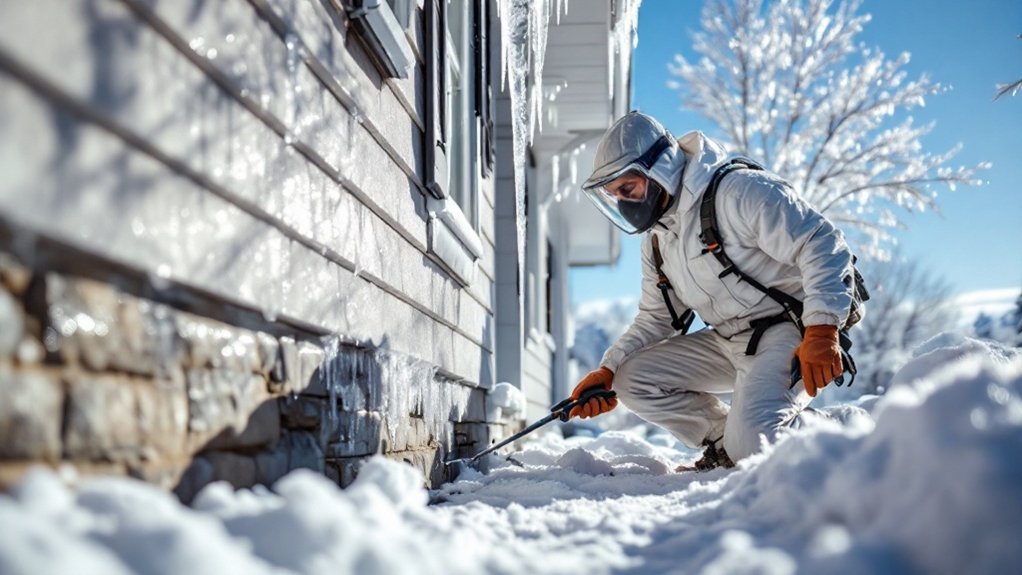
Maintaining overall hygiene is essential not just for personal health but also for preventing pest infestations. By implementing effective pest prevention strategies, you can greatly reduce the risk of attracting pests to your home or business.
Start by sealing cracks and crevices to prevent entry, and guarantee proper food storage and disposal to eliminate attractants. Regularly cleaning floors, walls, and surfaces is critical, as it discourages pests while promoting sanitation best practices. Additionally, focusing on sanitation measures not only helps in pest control but also enhances the safety of your environment.
Moreover, minimizing breeding grounds is imperative. Eliminate standing water and address moisture issues, as these create ideal conditions for pests to thrive.
Ventilating spaces like attics and basements further reduces potential habitats. Keeping kitchens and bathrooms clean and well-ventilated plays an important role in limiting pest attractants.
Encourages Regular Maintenance
Regular pest control maintenance plays an essential role in sustaining the hygiene efforts you've implemented. By encouraging routine checks, you're able to identify potential pest problems before they escalate into infestations. Early detection considerably reduces the risk of damages and keeps your home's environment safer.
Technicians can tailor treatments to your specific needs, minimizing the use of chemicals and costly repairs while disrupting pests' breeding cycles. Establishing maintenance schedules enhances your preventative strategies, ensuring consistent monitoring and timely interventions.
Scheduled appointments create barriers against future invasions, effectively reducing the likelihood of expensive pest damage. By committing to regular maintenance, you safeguard your property's structural integrity. Additionally, regular pest control helps maintain structural integrity by preventing damage from pests like termites and rodents.
Moreover, customized treatment plans foster effective control tailored to your unique pest challenges. This proactive approach not only addresses current issues but also prevents future problems, ensuring long-term sanitation and safety.
Regular treatments lower pest populations, maintaining a cleaner and healthier environment. In essence, regular pest control maintenance is key to sustaining hygiene and sanitation.
Professional Pest Control Improves Health: Contact Us Today
Prioritizing pest control during the cold seasons is essential for maintaining a healthy and sanitary environment. By reducing breeding grounds and minimizing food contamination, you not only protect your home but also your family's well-being. Enhanced indoor air quality and reduced disease transmission contribute to a safer habitat. Embracing regular pest management supports overall hygiene and peace of mind, ensuring your home remains a refuge from pests all winter long. Regular winter pest control also helps to safeguard your property from potential structural damage caused by pests. Preventing infestations of rodents and insects will save you from costly repairs and the headaches of dealing with damaged walls, floors, and insulation. By investing in winter pest control measures, you can protect your investment and maintain the value of your home.
Don't wait until pests invade your space! Contact My Pest Pros today at 703-665-4455 for professional pest control services and ensure your home stays pest-free this winter. In addition to professional pest control services, it's important to take preventive measures to keep pests out of your home. Here are some pest control tips to help you keep your home pest-free this winter. Seal up any cracks or crevices around your home, keep your kitchen clean and free of crumbs, and store food in airtight containers. By following these pest control tips and scheduling regular pest control services, you can ensure that your home is a pest-free environment for you and your family.