
Nova Pest Control Key Takeaways
- Seal gaps and cracks in your home's exterior to prevent pest entry, using caulk or weather stripping where necessary.
- Maintain cleanliness by regularly cleaning surfaces, organizing storage areas, and storing food in airtight containers to deter pests.
- Regularly inspect and manage water drainage by clearing gutters, fixing leaks, and eliminating standing water to prevent moisture-related pest issues.
- Utilize natural pest control methods, such as essential oils and beneficial insects, while planting pest-repelling herbs to maintain a pest-free environment.
- Schedule proactive inspections and know when to call professionals if signs of infestation, such as droppings or damage, become evident.
Understand Common Pests in Northern Virginia
Seal Entry Points Around Your Home
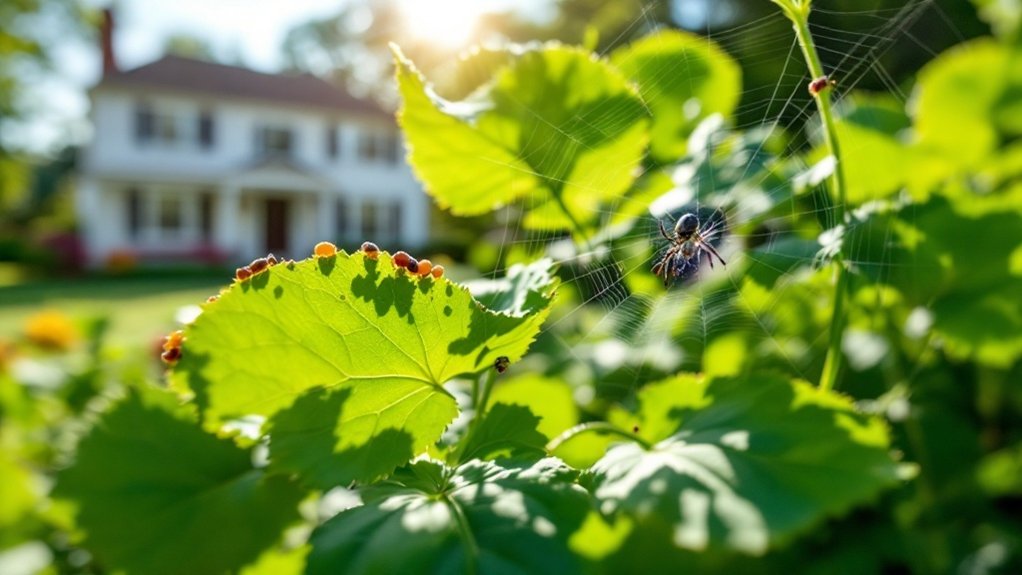
To keep pests from invading your home, sealing entry points is essential. Start by inspecting your home's exterior for gaps and cracks around windows, doors, and foundations. Even the tiniest openings can become highways for pests, so don't overlook them. Use caulk or weather stripping to seal these areas effectively. Next, check vents, pipes, and any utility access points. Install screens on vents and secure any gaps where pipes enter your home. If you find larger openings, consider using steel wool or expanding foam to block them off. Don't forget about your garage and crawl spaces; these areas can also be entry points for unwanted guests. Additionally, customized pest control programs can help address specific issues related to entry points and pest prevention in your home.Maintain a Clean and Clutter-Free Environment

Manage Standing Water and Drainage
Standing water and poor drainage can quickly become a magnet for pests, so it's crucial to address these issues around your home. Start by regularly checking your gutters and downspouts to verify they're clear and functioning properly. Clogged gutters can overflow, creating pools of standing water. If you notice water collecting in your yard, consider grading the landscaping to redirect drainage away from your foundation. Fix any leaks in outdoor faucets and verify that your irrigation system isn't overwatering your garden. If you have bird baths or pet water bowls, change the water frequently to prevent mosquito breeding. Keep an eye on any containers that can collect rainwater, like buckets or tarps, and turn them over when not in use. By managing standing water and verifying proper drainage, you'll reduce the risk of attracting unwanted pests around your property.Trim Vegetation and Landscape Wisely

Store Food Properly to Prevent Infestations
While it might seem simple, how you store food can greatly impact your home's pest control efforts. To keep pests at bay, always use airtight containers for your dry goods like cereals, rice, and flour. These containers not only keep your food fresh but also block pests from getting in. It's also important to check the expiration dates regularly and discard any expired items, as they can attract unwanted guests such as mice. In the fridge, make certain that items are tightly sealed and organized. Keep produce in designated drawers to prevent spoilage and minimize odors that attract pests. Don't forget about pet food—store it in sealed containers as well. If you spill food, clean it up promptly to eliminate a potential food source. By taking these simple steps, you can considerably reduce the chances of pests invading your home and maintain a healthier living environment. Additionally, implementing proactive measures for pest control can further enhance your efforts in keeping your home pest-free.Use Natural Pest Control Methods
Schedule Regular Pest Inspections
Natural pest control methods can effectively reduce pest populations, but they shouldn't replace regular pest inspections. Scheduling these inspections helps you catch potential infestations early before they escalate into larger problems. By checking your home regularly, you can identify vulnerable areas and take action before pests settle in. Consider setting up inspections at least twice a year. This way, you can stay ahead of seasonal pest activity. A professional can assess your property, looking for signs of pests and identifying entry points. They'll also provide tailored advice on preventive measures specific to Northern Virginia's climate. Additionally, certified inspectors can offer comprehensive checks for signs of termite damage that may go unnoticed. Don't wait until you see signs of trouble; proactive inspections give you peace of mind. Remember, pests can cause significant damage and health risks if left unchecked. By prioritizing regular inspections, you're investing in the long-term safety and comfort of your home.Know When to Call a Professional

Educate Yourself and Your Family on Pest Prevention Techniques
Recognizing when to call a professional is just the first step in managing pests effectively. To bolster your defenses, you should educate yourself and your family about pest prevention techniques. Start by identifying common pests in Northern Virginia, like ants, roaches, and rodents. Understanding their habits can help you prevent infestations. Next, encourage everyone in your household to keep food stored securely, promptly clean up spills, and regularly take out the trash. Seal cracks and crevices around windows and doors to deter entry. You might also consider using natural remedies, such as essential oils, to repel pests without harsh chemicals. Involving your family in these practices not only fosters teamwork but also increases awareness. Schedule regular discussions about pest prevention, and share new findings or tips. By staying informed and proactive, you'll create a healthier living environment and reduce the chances of a pest problem in your home.How Do Common Winter Pests Impact Pest Control Measures in Northern Virginia?
Common winter pests in Northern Virginia, such as rodents and insects, can significantly affect pest control measures. Their invasion during colder months necessitates specialized strategies to manage infestations effectively. Homeowners should prioritize "winter pest control in virginia" to safeguard their properties and ensure a pest-free environment as temperatures drop.
How Can Knowledge of Common Summer Pests in Fairfax Help with Pest Control Tips?
Understanding local insects is essential for effective pest management. A thorough summer pest overview enables homeowners to identify threats early, allowing for timely interventions. Knowledge of common summer pests in Fairfax can guide preventative measures, ensuring a comfortable outdoor experience without the annoyance of infestations during warmer months.