

pest control services, home pest control, bug prevention, local pest control, boxelder exterminator, boxelder bug treatment
If you notice boxelder bugs in your garden, don't worry too much; they're usually harmless but can be annoying. Pest prevention strategies for box elder bugs can help control them. These bugs are attracted to boxelder, maple, and ash trees. They gather in large groups, especially in warmer seasons or the fall. While mild feeding may cause some leaf discoloration, healthy plants typically bounce back. To prevent a boxelder bug infestation, keep your garden tidy, remove debris, and seal entry points around your home. Introducing natural repellents, like peppermint oil, can also help. You can control your garden's health better by learning effective monitoring, bug prevention, and management strategies.
Understanding Boxelder Bugs
Understanding Boxelder Bugs can feel overwhelming at first. These little pests often invade homes and gardens, leading many to wonder the best pest prevention strategies to manage them effectively. By getting a grasp on their behavioral patterns and habitat preferences, you can take charge of the situation. One of the key times to be vigilant is during the transition into colder months, as boxelder bugs in the fall tend to seek shelter in warm places. By understanding their habits, you can proactively seal entry points and reduce potential nesting areas around your home. This not only helps keep your living space pest-free but also ensures that your garden remains unharmed during their peak activity periods.
Boxelder bugs are primarily attracted to boxelder trees, but they also find refuge in other types of trees like maples and ash. They prefer warm, sunny areas, which is why you might notice them basking on your home's exterior or in your garden. When the weather turns cooler, they seek shelter indoors, particularly in cracks and crevices. Knowing where they like to hang out can help you prevent them from becoming a nuisance.
Their behavioral patterns are also essential to understand. Boxelder bugs are generally harmless but can be a nuisance due to their sheer numbers. They tend to gather in groups, especially during the fall and spring seasons, as they search for warmth and food sources. By observing these patterns, you can anticipate their movements and take proactive steps to manage their presence.
Don't feel discouraged if you encounter them; many gardeners face the same challenge. By recognizing their habitat preferences and behavioral habits, you can implement effective prevention measures. Keeping your garden tidy, sealing entry points in your home, and using natural deterrents can help maintain a peaceful coexistence with these critters.
Life Cycle of Boxelder Bugs
Boxelder bugs typically go through several distinct stages in their life cycle, making it vital for gardeners to recognize these phases. Understanding these stages helps you manage their presence effectively. The life cycle begins with eggs, which are laid in clusters on the bark of boxelder trees, typically in late spring. These eggs hatch into nymphs after about a week, and you'll notice them appearing in groups.
As nymphs, they go through five molts before reaching adulthood, each molt causing them to grow and change in appearance. During this time, they're quite active, feeding on the sap of boxelder trees and other plants, so keep an eye on these young bugs as they can multiply quickly.
Once they reach maturity, usually by late summer, you'll observe their distinct black and orange coloration. This stage is essential for their mating habits. Adult boxelder bugs mate in the fall, leading to the next generation of eggs. Seasonal behaviors also play a role here; as temperatures drop, they seek shelter in buildings, making them a potential nuisance in your home.
Being aware of these life cycle stages can help you take timely action if you notice an influx of these bugs. By recognizing their mating habits and understanding their seasonal behaviors, you can better prepare for their presence in your garden and home.
Impact on Your Garden
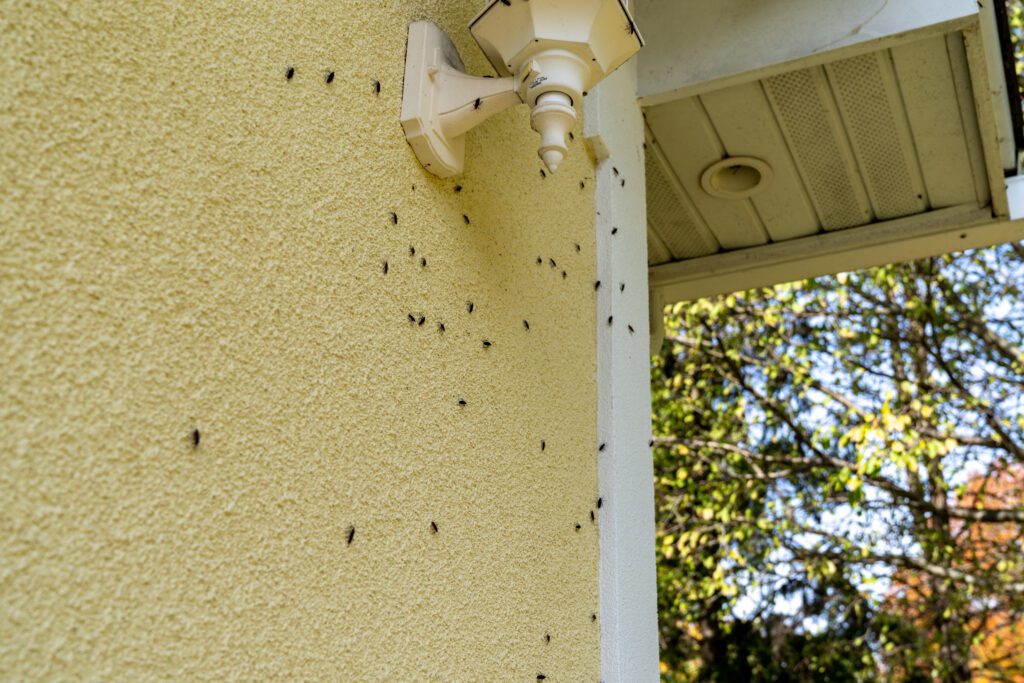 Seeing boxelder bugs in your garden can raise concerns about their impact on your plants. While these pests are often more of a nuisance than a serious threat, it's crucial to understand their behavior patterns to assess their effect on garden health. Boxelder bugs primarily feed on the sap of boxelder trees, but they can also target other plants, especially in late summer and fall when they're looking for a warm place to overwinter.
Most of the time, their feeding doesn't cause significant harm to your plants. You might notice some leaf discoloration or minor wilting, but healthy plants usually bounce back. However, if you have a severe infestation, you could see more noticeable damage. In such cases, the overall health of your garden could be compromised, leading to weaker plants that may be more susceptible to other pests and diseases.
Understanding their behavior patterns can help you take the right pest-prevention steps to mitigate their impact. For example, if you notice a sudden increase in their numbers, it might be time to inspect your plants closely and address any potential issues. Keeping your garden healthy through regular maintenance—like watering, fertilizing, and pruning—can also help your plants withstand any stress that boxelder bugs may cause.
Pest Prevention Strategies
To keep boxelder bugs at bay in your garden, it's important to implement proactive prevention strategies. Start by adopting some effective cultural practices. For instance, consider removing any boxelder trees or nearby plants that attract these pests. Keep your garden tidy by regularly clearing away debris, such as fallen leaves and overripe fruit, which can provide hiding spots for the bugs.
You should also monitor for any signs of infestation early on. Check for clusters of boxelder bugs on your plants and take immediate action if you spot them. A simple hand-picking method can be quite effective if the numbers are manageable.
In addition to cultural practices, using natural repellents can help deter boxelder bugs from invading your garden. Essential oils like peppermint or neem oil can be diluted and sprayed on the plants. These natural remedies not only repel the bugs but also promote a healthier garden environment.
Another strategy is to introduce beneficial insects that prey on boxelder bugs. Ladybugs and lacewings can provide a natural balance and reduce pest populations.
Eco-Friendly Control Methods
While dealing with boxelder bugs can be frustrating, there are several eco-friendly control methods you can use for effective pest prevention. One of the most straightforward approaches is to use natural repellents. You can create a simple mixture of water and dish soap to spray directly on the bugs. This solution suffocates them without harming your garden's ecosystem.
Another effective method is companion planting. By planting certain flowers and herbs, you can naturally deter boxelder bugs. For example, marigolds and garlic are known to repel these pests. Incorporating these plants into your garden not only helps keep the bugs at bay but also adds beauty and biodiversity to your space.
You can also encourage beneficial insects, like ladybugs and lacewings, which feed on boxelder bugs. By creating a welcoming environment for these natural predators—such as providing nectar-rich plants—you can promote a balanced ecosystem in your garden.
Regularly removing boxelder bugs by hand can also be effective. Just make sure to wear gloves and dispose of them safely. Finally, maintaining your garden's cleanliness by clearing away debris and fallen seeds will minimize hiding spots for these bugs.
Local Pest Control And Pest Prevention Services
Whether it's boxelder bugs around your home or other home pest control issues, My Pest Pros can help with pest prevention and pest control services. Our trained technicians are expert boxelder exterminators and can recommend the best home pest control services or boxelder treatments. Contact us online or call 703-665-4455.