
To prevent termite infestations, start with regular inspections to catch early signs of activity. You should also control moisture by promptly fixing leaks and ensuring proper drainage around your foundation. Treat wood with appropriate products, such as borate, for added protection. Manage your landscape by establishing a chemical barrier or termite baiting system and keeping plants a safe distance from your home. Finally, consider hiring professional extermination services that utilize advanced detection and tailored treatments. By combining these strategies, you can greatly lower the risk of infestations and associated repair costs, leading to a more sustainable approach to home maintenance. There's more to explore on this topic.
Regular Inspections
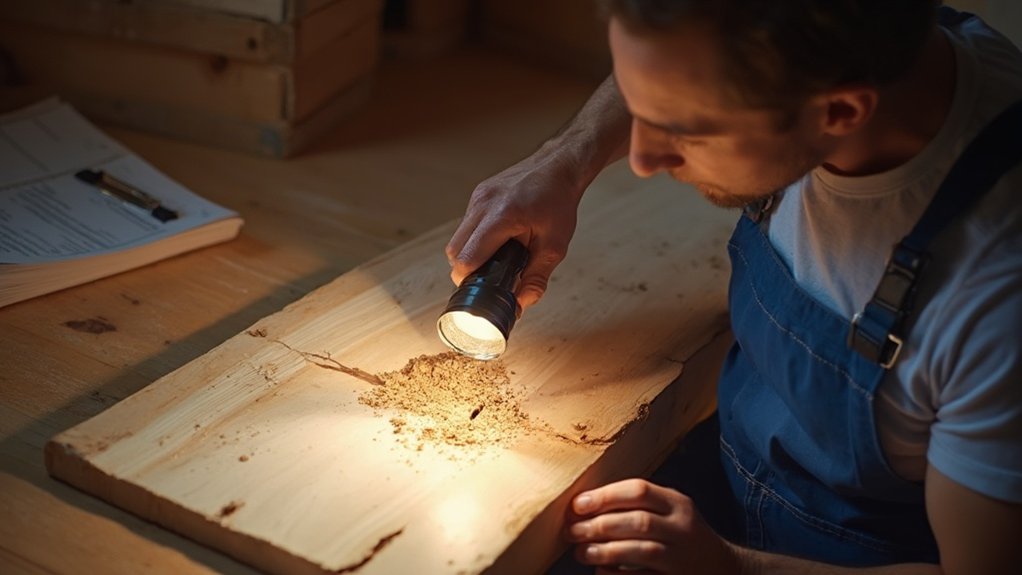
Conducting regular inspections is essential for safeguarding your home against termite infestations. By committing to annual inspections, you can detect new termite activity early, leveraging the expertise of pest control professionals who identify subtle signs often overlooked. The inspection benefits are significant: early detection not only prevents future infestations but also reduces the risk of extensive damage, ultimately saving you money on costly repairs. Regular inspections help mitigate risks of severe infestations, especially in areas where annual inspections are recommended. To maximize effectiveness, create an inspection checklist that includes checking for mud tubes, discarded wings, and signs of wood damage. Consider the age and construction type of your home—older homes and those with wooden structures demand more vigilance. Your location and climate also play critical roles; areas prone to termite activity or those with warm, humid conditions may necessitate more frequent inspections. Incorporate visual inspections of both the interior and exterior, focusing on foundations and potential entry points. Regularly using moisture meters can further aid in identifying moisture issues that attract termites.
Moisture Control
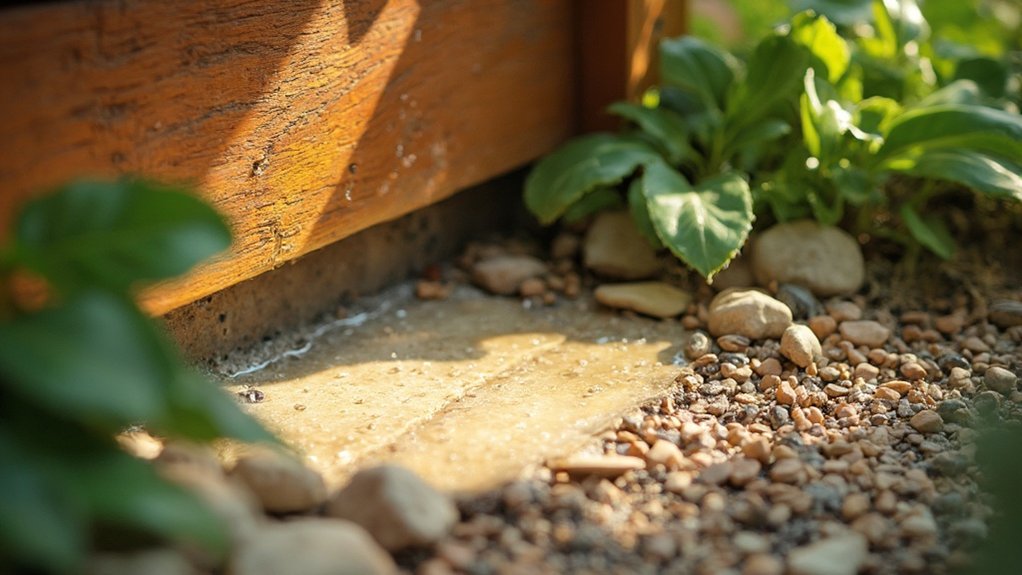
Moisture control is fundamental in preventing termite infestations, as even the smallest accumulation of water can create an inviting environment for these pests. Identifying and eliminating moisture sources is your first line of defense. Fix any leaks in faucets, pipes, or AC units promptly. Proper drainage solutions are essential; guarantee downspouts and gutters direct water away from your home's foundation to minimize moisture buildup. Regularly inspect areas prone to dampness, like basements and attics, and maintain them with adequate ventilation. If natural airflow isn't enough, consider using dehumidifiers to reduce humidity. High moisture levels increase termite feeding rates significantly, making it even more crucial to manage moisture effectively. Installing vapor barriers can also help prevent moisture from permeating from the ground into these spaces. It's critical to seal cracks and gaps in your foundation and walls to thwart termite entry. Use caulk or sealants for smaller openings and mesh screens for vents. Additionally, slope the soil around your property away from the foundation and consider installing French drains if necessary to channel water effectively.
Wood Treatment

When it comes to protecting your home from termite infestations, wood treatment is an essential strategy that directly targets the vulnerabilities of structural wood. This process involves the installation of a termite bait system such as Sentricon or applying termite control products directly to the wood, effectively addressing subterranean termites such as those found in Virginia and Maryland. Various methods of wood treatment include borate treatments, wood injections, and foams, each designed to control termite populations. During construction, you can enhance protection with surface treatments or use pre-treated wood embedded with chemicals like copper boron azole (CBA) and alkaline copper quaternary (ACQ). Additionally, incorporating termite-resistant species like cedar and redwood can offer natural insect repellents. Wood is a primary material in home construction, making its protection critical for long-term sustainability. Implementing wood treatment creates an inhospitable environment for termites, ensuring they ingest termiticides that lead to their demise. By making wood surfaces less appealing to these pests, you not only protect your home but also extend the longevity of treated wood. Regular inspections and professional guidance can help maintain these preventive measures effectively.
Landscape Management

Effective landscape management plays an essential role in preventing termite infestations, as it directly influences the conditions around your home. Establishing a robust chemical barrier is fundamental; avoid digging or covering treated soil to maintain its efficacy. Opt for termite-resistant mulch options like pine straw or rubber instead of traditional wood-based products, which can attract pests. Additionally, be mindful that disturbing soil can compromise barrier effectiveness. Strategically plant trees and shrubs at least 3 to 4 feet away from your home to minimize the risk of termites bridging to the structure. Incorporate termite-resistant plants, such as marigolds and vetiver grass, which possess natural repellant properties. Ensure proper yard grading to facilitate water drainage away from the foundation and keep your gutters clear to prevent moisture accumulation—conditions that attract termites. Regular maintenance is essential; trim branches that touch the house and limit mulch use near the foundation, as excess moisture can create a conducive environment for termites.
Professional Extermination Services

Engaging professional extermination services is crucial for effectively managing and eliminating termite infestations. Termite experts conduct thorough inspections of both the exterior and interior of your home, focusing on critical areas such as basements, crawl spaces, and attics. They utilize advanced techniques, including moisture assessments and specialized detection equipment, to identify conducive conditions for termites. Additionally, understanding local termite species is essential for developing effective treatment strategies. Once the inspection is complete, pest control professionals develop a tailored pest control plan. This includes identifying the termite species and the extent of the infestation, followed by recommending appropriate treatment options based on severity. Common treatment methods include liquid barrier treatments, bait systems, and, for severe cases, fumigation. Each method offers unique advantages; for instance, bait systems can eliminate entire colonies, while liquid barriers provide long-lasting protection. Cost factors, such as property size and treatment method, vary widely, typically ranging from $400 to $1,500 annually. In addition to the size of the home, conducive conditions and extent of the termite infestation will effect the treatment plan and price. However, investing in professional pest control services not only addresses current infestations but also establishes preventive measures to avert future issues. By scheduling follow-up inspections, you guarantee ongoing termite monitoring and maintenance, ultimately safeguarding your property against termites.
How Can Preparing for Termite Swarms Help in Preventing Future Infestations?
Preparing for termite swarms is essential in safeguarding your home. By understanding the timing and behavior of these pests, homeowners can implement proactive measures. Researching and employing effective ways to prevent termites, such as sealing entry points and maintaining a dry environment, greatly reduces the risk of future infestations.
Professional Termite Protection
Whether you are experiencing termite infestations or want to prevent termites, My Pest Pros can help. Schedule a termite inspection and get termite protection. Call us today at 703-665-4455.