

Every year, termites cause over $5 billion in property damage across the United States, with Northern Virginia homeowners particularly vulnerable due to our region's humid climate and abundant wooded areas. From Alexandria's historic homes to newer construction in Loudoun County, no property is immune to these silent destroyers. The damage termites can cause to your home and wallet can be devastating when left untreated despite their tiny size. This article explores why termites are a serious concern for Northern Virginia residents, how to spot them before severe damage occurs, and why professional intervention is essential for effective termite management.
Understanding Termite Behavior in Northern Virginia
Termites are social insects that live in colonies and feed primarily on cellulose material found in wood structures. In Northern Virginia, Maryland, and Washington D.C., we primarily deal with Eastern Subterranean termites, which build their colonies underground and construct mud tubes to access above-ground food sources. What makes termites particularly problematic in our region is the combination of:- Our humid subtropical climate that creates ideal breeding conditions
- Abundant wooded areas surrounding residential developments in Fairfax and Prince William counties
- Older homes in Alexandria and Arlington with wooden structural components
- Year-round termite activity due to our relatively mild winters compared to other regions
- The proximity of many properties to natural water sources that attract termites
Signs of a Termite Infestation in Your Northern Virginia Home
Early detection is crucial for preventing extensive damage. Here are the key warning signs specific to termite activity in Northern Virginia homes: Mud Tubes: Pencil-width tubes running along foundations, basement walls, or crawl spaces are distinctive indicators of subterranean termites. These are particularly common in homes in Montgomery County and throughout Northern Virginia. Wood Damage: Termite-damaged wood sounds hollow when tapped and may appear crushed at structural bearing points. In older Fairfax homes, this often appears in basements and crawl spaces first. Swarmers and Discarded Wings: During spring in Northern Virginia (typically April to June), reproductive termites emerge to establish new colonies. Finding small, winged insects or discarded wings near windows and doors, particularly after rain, indicates a mature termite colony nearby. Frass (Termite Droppings): Small piles of what looks like sawdust or coffee grounds near wooden structures. Common in Arlington and Alexandria homes with older wooden components. Tight-Fitting Doors and Windows: As termites consume wood around door and window frames, these may become difficult to open or close properly—a subtle sign often missed by homeowners in newer Loudoun County developments.Why Termites Thrive in Northern Virginia, Maryland, and DC
Our region creates a perfect storm of conditions for termite activity: The Potomac River watershed and numerous creeks throughout Northern Virginia provide the moisture termites need to thrive. Homes in Vienna, Reston, and along the river in Alexandria are particularly susceptible. The hot, humid summers combined with relatively mild winters in our region allow for nearly year-round termite activity, unlike cooler northern states where termite activity diminishes significantly during winter months. The architectural styles common in our region—including many homes with wooden siding, decks, and structural elements—provide ample food sources. Historic properties in Old Town Alexandria and older sections of Arlington face particular challenges. New construction in areas like Ashburn and Sterling often occurs on previously wooded land, where termite colonies may already exist in the soil before building begins. Heavy seasonal rains in spring and summer drive termites to seek higher ground, often leading them toward residential foundations throughout Montgomery and Prince George's counties.The Risks of Ignoring Termite Problems
The consequences of untreated termite activity in Northern Virginia homes extend far beyond simple repairs: Structural Integrity Compromised: Termites can damage load-bearing supports, floor joists, and wall studs, potentially creating unsafe living conditions. This is particularly concerning in older Georgetown and Capitol Hill homes in DC. Property Value Reduction: Homes with a history of termite damage typically sell for less, with required disclosure of previous infestations to potential buyers—a significant concern in high-value markets like McLean and Great Falls. Insurance Limitations: Most homeowners' insurance policies in Virginia, Maryland, and DC specifically exclude termite damage, leaving you fully responsible for repair costs. Escalating Repair Costs: What might start as a $3,000 treatment can quickly become $10,000+ in structural repairs if termites remain active for multiple seasons—a common scenario we see in Prince William County homes. Secondary Moisture Issues: Termite activity often coincides with or creates moisture problems, leading to mold and additional damage, particularly in below-grade spaces common in split-level homes throughout Fairfax County.Why Professional Termite Control is Essential in Northern Virginia
While DIY pest control might work for some household insects, termites require specialized professional intervention for several reasons: Colony Location: Subterranean termite colonies can be located up to 150 feet from where damage appears, making them impossible to treat without professional equipment and training. This is particularly true in wooded lots common in Vienna and Great Falls. Treatment Limitations: Over-the-counter termite products cannot provide the comprehensive protection needed for our region's aggressive Eastern Subterranean termites. Specialized Equipment: Professional termite control requires specialized tools and monitoring systems that target the colony itself rather than just treating visible damage. Proper Identification: Eastern Subterranean termites are often confused with carpenter ants or other wood-destroying insects common in Northern Virginia, leading to ineffective treatment if misidentified. Preventive Expertise: Professional termite specialists understand the specific conditions in Alexandria, Arlington, and throughout our service area that contribute to termite problems and can address these proactively.What to Expect from My Pest Pros Termite Services
At My Pest Pros, our termite control process is specifically designed for Northern Virginia, Maryland, and DC properties: Comprehensive Inspection: Our licensed termite specialists thoroughly examine your entire property, including crawl spaces, basements, attics, and exterior perimeters. We pay special attention to areas where termites commonly enter Northern Virginia homes. Custom Treatment Plan: Based on your specific situation, property construction, and the extent of termite activity, we create a customized treatment plan using the most effective methods for our region's termite species. Sentricon System: We utilize the Sentricon® Termite Colony Elimination System, a revolutionary approach that targets the colony directly. This environmentally responsible system is particularly effective for the Eastern Subterranean termites prevalent in Northern Virginia homes. Ongoing Protection: Our Sentricon® monitoring stations provide continuous protection by eliminating existing colonies and preventing new infestations—an ideal solution for long-term protection of Fairfax, Arlington, or Montgomery County homes. Damage Assessment: If termites have already caused structural damage, we can connect you with qualified contractors experienced in termite damage repair throughout Northern Virginia.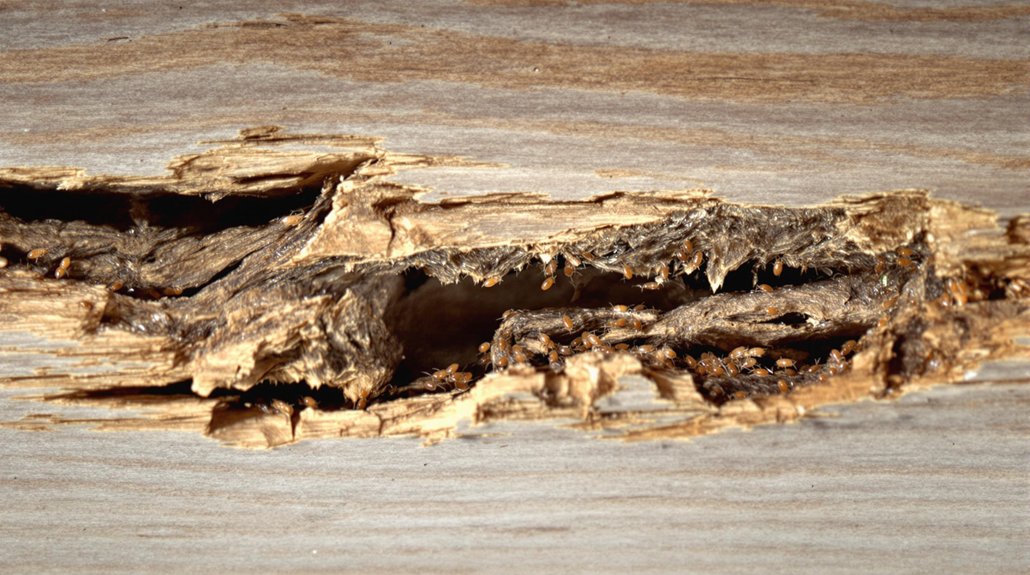
Frequently Asked Questions About Termites in Northern Virginia
How can I tell the difference between termites and flying ants? Termites have straight antennae, uniform waists, and wings of equal length, while flying ants have bent antennae, pinched waists, and uneven wings. This distinction is crucial in Northern Virginia where both pests are common, particularly in Springfield and Burke. Are newer homes in Loudoun and Prince William counties also at risk for termites? Absolutely. While new construction should include soil pre-treatments, these protections diminish over time. Additionally, many newer developments in Ashburn and Woodbridge were built on previously wooded areas with existing termite colonies. How does the Sentricon System work to protect Northern Virginia homes? The Sentricon System works by installing strategically placed stations around your property that contain a specialized bait matrix. When termites discover this bait, they bring it back to the colony, eliminating the entire population including the queen. This colony elimination approach is particularly effective in our region's soil conditions. Will termites return after treatment? With the Sentricon® System's ongoing monitoring and protection, new termite colonies are detected and eliminated before they can damage your home. This is why My Pest Pros offers comprehensive monitoring and warranty programs for homes throughout our service area. When is termite season in Northern Virginia? While termites are active year-round, swarming season typically occurs from March through May in our region, with activity peaking after warm spring rains—a critical time for Alexandria and Arlington homeowners to be vigilant.Protect Your Northern Virginia Home from Termites
Protecting your Northern Virginia, Maryland, or DC home from termite damage requires vigilance and professional expertise. By understanding the warning signs and risks specific to our region, you can take proactive steps to safeguard your most valuable investment. Regular professional inspections and the installation of the Sentricon® Termite Colony Elimination System are particularly important in our termite-prone region, especially for homes in Alexandria's historic districts, Arlington's established neighborhoods, and wooded properties throughout Fairfax and Montgomery counties. Don't wait until termites cause expensive damage to your property. Contact My Pest Pros today at 703-665-4455 or visit MyPestPros.com to schedule your professional termite inspection. Our licensed technicians serve all of Northern Virginia, Maryland, and Washington, D.C. with effective, family-friendly pest solutions.Does Home Insurance Offer Protection Against the Hidden Dangers of Termites in Northern Virginia Homes?
In Northern Virginia, many homeowners may not realize that home insurance termite coverage is often limited. While standard policies protect against obvious damage, hidden termite infestations may not be included. It's essential to review your policy and consider additional coverage options to safeguard your home from these destructive pests.
What Can Homeowners in Northern Virginia Do to Prevent Termite Damage?
Homeowners in Northern Virginia can safeguard their properties by prioritizing understanding termite damage and prevention. Regular inspections, moisture control, and proper wood treatment are essential. Creating barriers and using bait systems can also deter infestations, ensuring homes remain safe and secure from these destructive pests.