
Potato bugs, or Colorado potato beetles, are harmful pests that primarily target potato plants. You'll recognize them by their yellow bodies with distinct black stripes, usually about 3/8 inch long. These beetles lay eggs on the undersides of leaves, and their larvae can quickly wreak havoc on your garden. If left unchecked, they can severely damage your crops, leading to stunted growth. Stick around to discover effective ways to manage and control these pesky intruders.
Key Takeaways About Potato Bugs
- Potato bugs, or Colorado potato beetles, are pests with a distinctive yellow body and black stripes that damage potato plants.
- They undergo complete metamorphosis, laying eggs on leaf undersides that hatch into larvae, which feed on plant leaves.
- Infestations cause yellowing leaves, stunted growth, and reduced crop yields, making early detection crucial.
- Effective management strategies include maintaining clean gardens, inspecting plants regularly, and using natural predators like ladybugs.
- Control methods involve insecticidal soap, neem oil, and fostering a balanced ecosystem to support beneficial insects.
Characteristics of Potato Bugs

Potato bugs, also known as Colorado potato beetles, are easily recognizable due to their distinctive appearance. You'll notice their yellow body adorned with striking black stripes, which sets them apart from other pests. Typically growing to about 3/8 inch in length, these beetles can be a gardener's nightmare.
When you ask, "What are potato bugs?", it's vital to understand their impact on your potato crops. They feed on the leaves, causing significant damage and hindering growth.
Effective pest control methods are important in managing these pests. You might consider using insecticidal soap or introducing natural predators like ladybugs to keep their population in check.
Recognizing their characteristics helps you take timely action and protect your garden.
Life Cycle and Behavior
Understanding the life cycle and behavior of Colorado potato beetles is vital for effective pest management.
These potato bugs undergo complete metamorphosis, starting as eggs laid on the undersides of leaves. After about a week, larvae hatch and begin feeding voraciously on your plants. As they grow, they go through several molts before entering the pupal stage, where they transform into adults.
Adult beetles emerge in the summer, ready to lay more eggs and continue the cycle. By recognizing these stages, you can better implement local pest control strategies.
Timely pest treatment is essential to prevent infestations. Monitoring your plants regularly will help you identify potential problems before they escalate, ensuring your garden remains healthy and productive.
Impact on Crops and Gardens
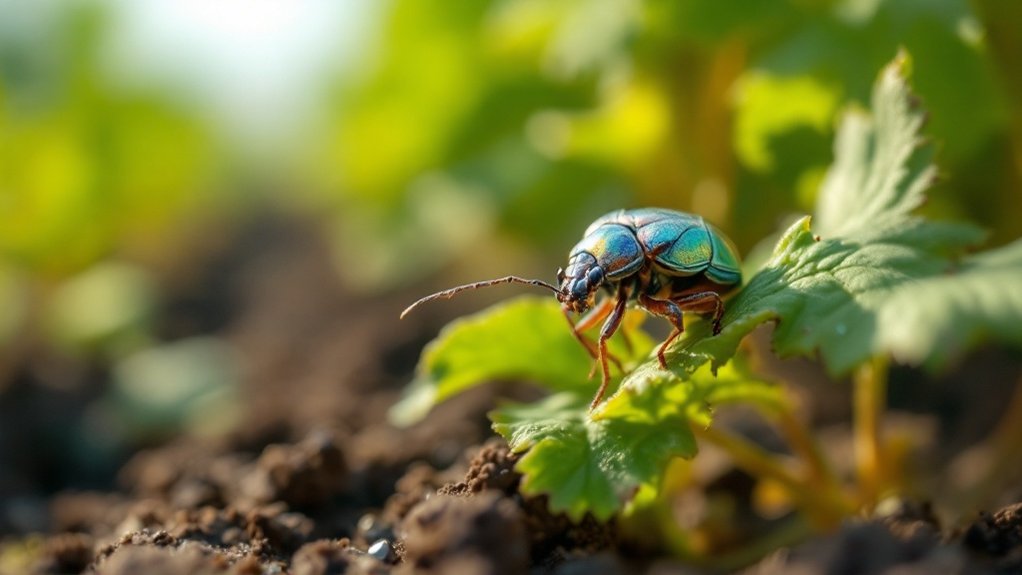
Colorado potato beetles can cause significant damage to crops and gardens, making them a serious concern for gardeners and farmers alike.
These pesky bugs feed on potato plants, devouring leaves and stems, which stunts growth and reduces yields. If you notice yellowing leaves or defoliation, it's likely these beetles are at work.
Left unchecked, they can quickly wipe out your crop, leading to frustrating losses. Prevention is key, so keep an eye out for these pests and act fast.
If the infestation gets out of hand, consider contacting a local exterminator for assistance. Protecting your plants early can save you time, effort, and money in the long run, ensuring a healthy and bountiful harvest.
Effective Management Strategies
To effectively manage potato bug infestations, you should combine various strategies that target both the pests and their environment.
Start by keeping your garden clean and free from debris, which can harbor these winter pests. Regularly inspect your plants for early signs of infestation, and remove any affected leaves. You might also consider using row covers to protect your crops.
If the problem persists, consulting a potato bug exterminator can help you choose the right chemical or organic treatments. Additionally, rotating your crops each season can disrupt the life cycle of potato bugs.
Natural Predators and Control Methods
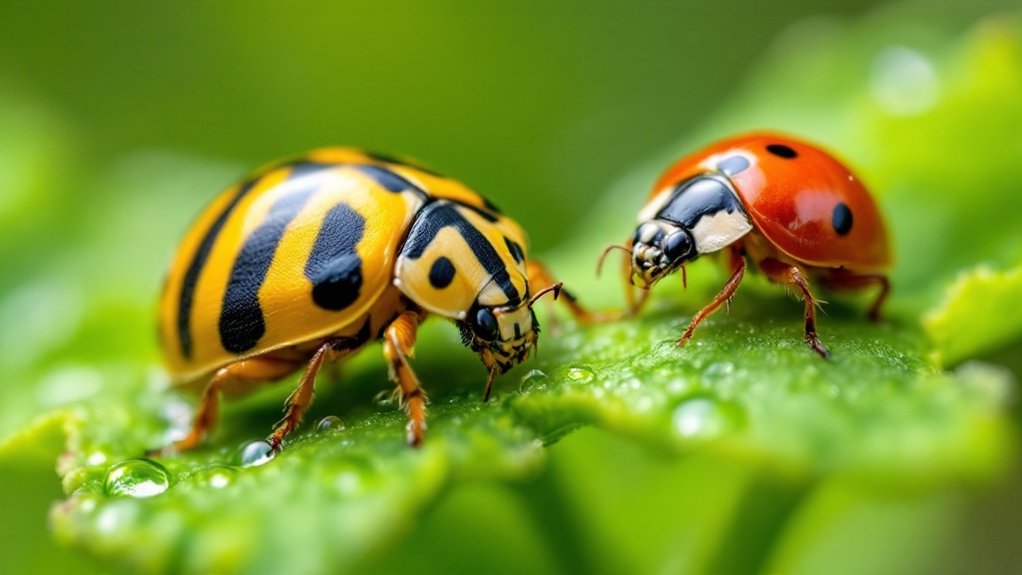
While you may be tempted to reach for chemical solutions, leveraging natural predators can be an effective and environmentally friendly way to control potato bug populations. Ladybugs, lacewings, and predatory beetles are excellent allies in your garden. They feast on potato bugs and their larvae, helping to keep their numbers down.
You can also encourage these beneficial insects by planting diverse flowering plants that provide nectar and pollen. Additionally, introducing nematodes into the soil can target potato bug larvae underground.
If the infestation becomes severe, consider using insecticidal soap or neem oil, which are less harmful than traditional pesticides. By fostering a balanced ecosystem, you'll promote healthier plants while naturally managing potato bugs.
Contact My Pest Pros For Local Pest Control Services
Understanding potato bugs is essential for protecting your garden and crops. By recognizing their characteristics and life cycle, you can identify them early and implement effective management strategies. However, for the best results, it's wise to enlist professional help.
Contact My Pest Pros at 703-665-4455 to schedule a pest treatment. Our pest control technicians can help control these and other pests without harming your plants. Don't let potato bugs take over—take charge and ensure your garden thrives with the help of pest control professionals!