
Why Am I Suddenly Seeing Ants in Virginia?
Maybe you walked into your kitchen to grab a drink and you see an infestation of ants in the kitchen. What's going on? You're suddenly seeing ants in Virginia because spring has arrived, bringing warmer temperatures and increased rainfall. These conditions prompt ants to emerge from their winter dormancy in search of food and new nesting sites. As they invade homes, understanding the activity patterns can help you manage ants in Virginia effectively. If you want to know more about preventing these pests or addressing an infestation, there are various strategies and professional pest control solutions available.Key Takeaways About Ants in Virginia
- Spring's warmer temperatures and increased rainfall in Virginia trigger ants to emerge from winter dormancy in search of food and nesting sites.
- Ants typically invade homes during spring due to moisture from rain creating ideal conditions for nesting and foraging.
- Seasonal changes influence ant behavior, with spring prompting food searches and summer seeing established trails to kitchens and pantries.
- Maintaining cleanliness, securing trash, and eliminating standing water can help prevent ant invasions in your home.
- For persistent ant problems, professional pest control can effectively assess and manage infestations based on species behavior and prevention strategies.
Increased Pest Activity

Seasonal Causes of Pest Activity
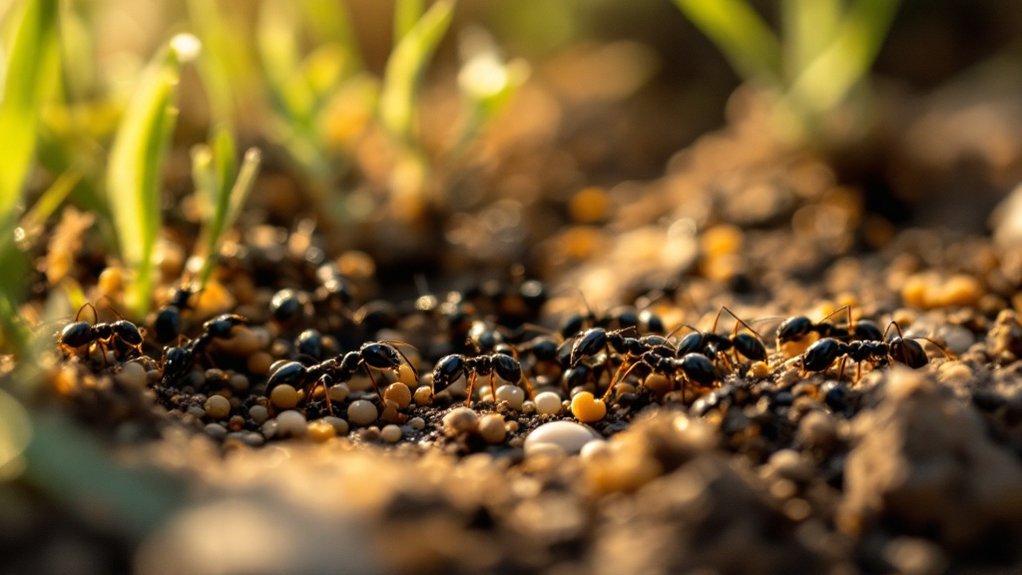
Understanding the seasonal causes of pest activity is essential for effectively managing infestations in your home. The behavior of Ants in Virginia fluctuates dramatically with changing seasons, influenced by temperature and food availability. In spring, warmer weather prompts ants to emerge from their colonies, searching for food and nesting sites. You might notice an uptick in activity as they scout your home for resources. As summer arrives, ants establish trails, often leading to kitchens and pantries. During fall, you could see ants seeking shelter as temperatures drop, causing them to invade homes more frequently. Winter typically sees a decline in visible activity, but ants may still be present, hibernating in hidden spots. By understanding these seasonal patterns, you can better prepare your home, sealing entry points and removing food sources, ensuring you're not caught off guard when the ants come marching in.Understanding the Lifecycle
What Can I Do to Prevent Ant Activity?
Preventing pest activity, particularly from ants, starts with recognizing the factors that attract them to your home. To keep these pests at bay, focus on cleanliness.- Regularly clean up food spills and store food in airtight containers. Also, make certain your trash bins are sealed tight.
- Yard maintenance plays an important role in deterring ants.
- Trim back plants and remove debris, as these can serve as pathways to your home.
- Be sure to fix any leaks or standing water, as ants are drawn to moisture.
- You might also consider using ant deterrents around your property. Natural repellents like peppermint oil or diatomaceous earth can create barriers that ants avoid.
Professional Pest Control Solutions
Choose My Pest Pros for Pest Control
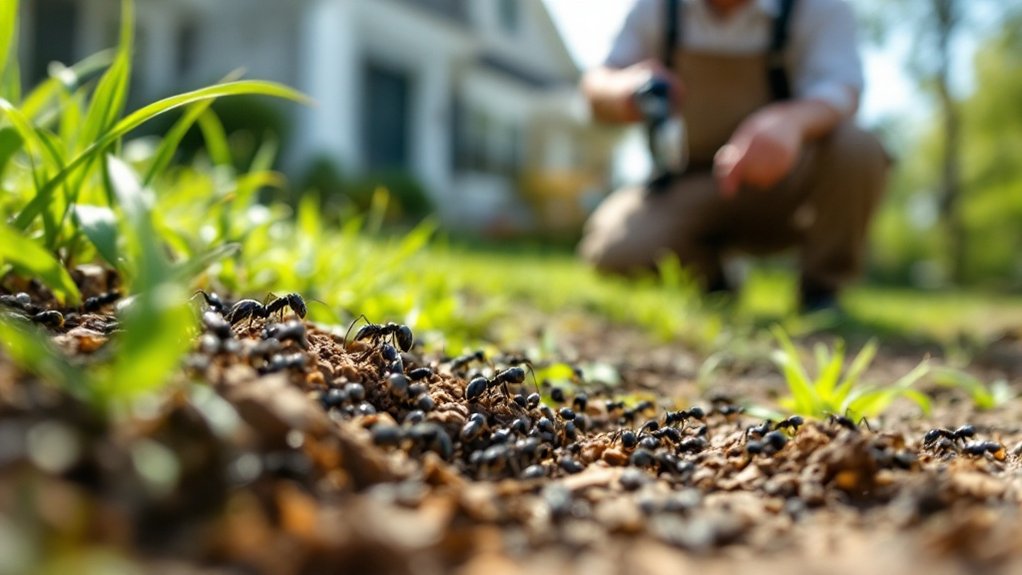
For effective ant pest control, choosing My Pest Pros can make all the difference in tackling your ant problem. Our team specializes in precise pest identification methods and ant treatments that guarantee ant elimination. This tailored approach allows us to implement the most effective strategies for eradication. We prioritize eco-friendly treatments for family and pet safety while effectively eliminating pests. We want to eliminate the ants and other pests that are bugging you while minimizing the treatment to your home and surroundings. When you choose My Pest Pros, you're not just hiring a pest control service; you're partnering with a local pest control company invested in our community. You can feel confident that your ant problem or other pest issues will be resolved efficiently and responsibly.How Can Understanding Ant Behavior Help in Getting Rid of Small Ants in My Kitchen?
Understanding ant behavior is crucial when seeking small ant kitchen solutions. By identifying their trails and nesting habits, you can disrupt their pathways and eliminate food sources. Implementing targeted strategies based on this knowledge will help effectively manage ant populations, ensuring a clean and ant-free kitchen.