
 With Tropical Storm Debby flooding Northern Virginia and Maryland, you might notice a sudden surge of ants in your house. If you’re wondering, “Why do I have ants in my house after it rains?” after rainstorms, you’re not alone. This is a common phenomenon that many homeowners in Northern Virginia experience, especially during the spring and summer months. Understanding the reasons behind this invasion and how to prevent it can help you protect your home from these persistent pests.
Why Do Ants Enter Your Home After It Rains?
Imagine if your home was being flooded. Ants are incredibly resilient creatures, but like all living organisms, they seek environments that ensure their survival. Rain is a threat to their survival. It can disrupt the natural habitats of ants, leading them to seek refuge in drier, more stable environments—like your home.
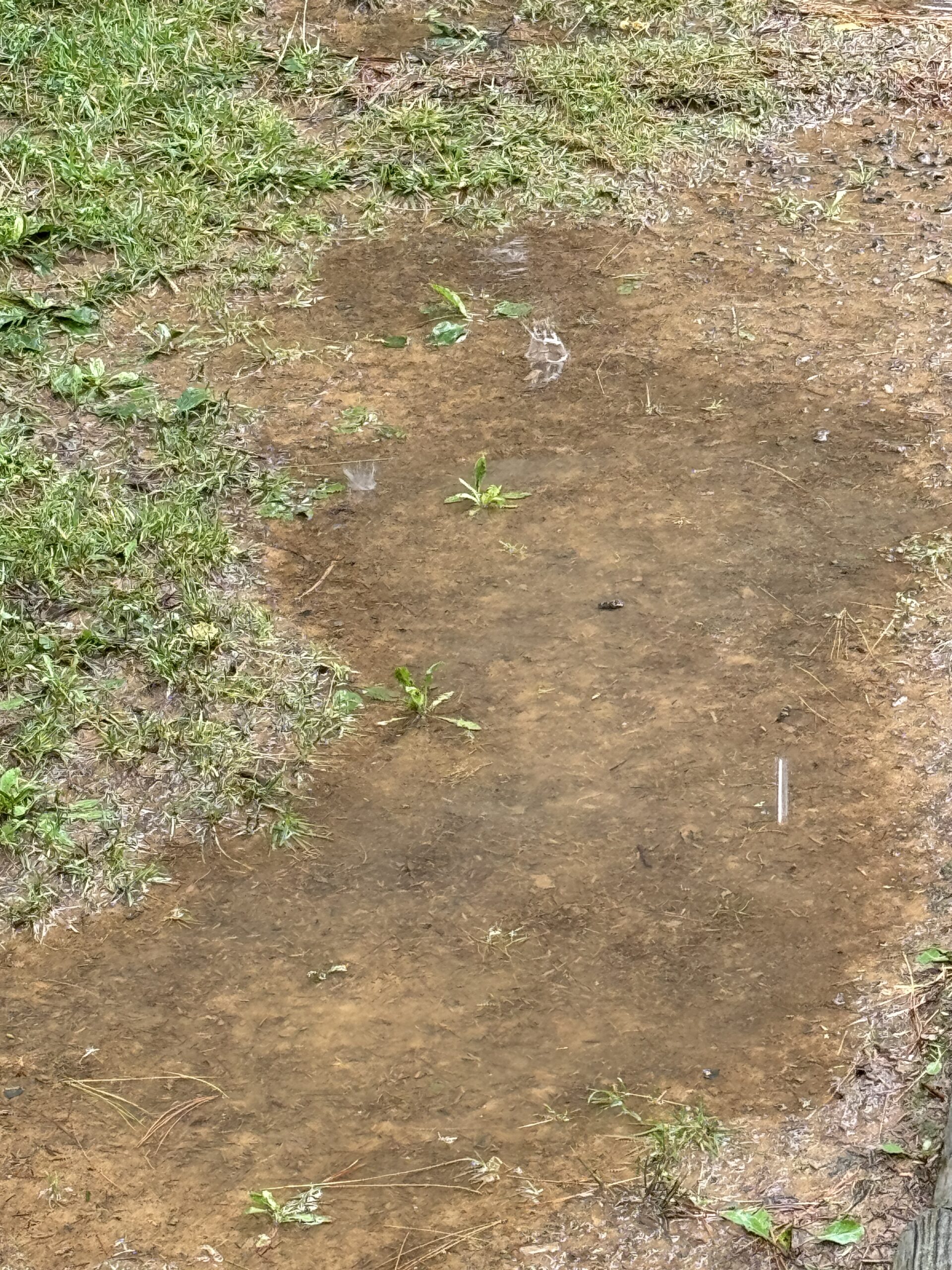
- Flooding of Ant Nests: One of the primary reasons you might find ants in your house after it rains is because their nests have been flooded. Most ant species build their nests underground, and heavy rainfall can saturate the soil, flooding their colonies. To escape drowning, ants will seek higher ground, which often means finding their way into your house. Ants will move into mailboxes, light fixtures, garages or other areas to find safety.
- Searching for Food and Shelter: Ants are always on the hunt for food and water. After their nests are flooded, they not only seek shelter but also food sources. Your kitchen, pantry, or any area with accessible food are an attractive target. The combination of rain driving them indoors and the availability of food can lead to an infestation. They may find the food by accident while seeking a safe location to nest. But once they find that food, they will communicate it with others in the colony.
- Changes in Pheromone Trails: Ants communicate and navigate by leaving pheromone trails. Heavy rain can wash away these trails, causing confusion among the colony. In their search for new trails or shelter, ants may inadvertently enter your home. They will create new pheromone trails to communicate safe areas and food sources.
Common Ant Species That Invade Homes After Rain
Not all ant species in Northern Virginia and Maryland are likely to invade your home after it rains. However, certain species are more prone to seeking refuge indoors:
- Odorous House Ants: These ants are small, dark-colored, and emit a strong odor when crushed. They are known for quickly relocating their colonies in response to environmental changes, such as rain.
- Carpenter Ants: Larger than most other ants, carpenter ants prefer damp, decaying wood. Rain can soften wood around your home, making it more attractive to these ants.
- Argentine Ants: These ants are notorious for forming large colonies with multiple queens. Rain can disrupt their large nests, leading them to seek new homes, often in human dwellings.
How to Prevent Ants in Your House After It Rains
Preventing ants from invading your home after a rainstorm requires a combination of proactive measures. By understanding what attracts ants and how they enter your home, you can take steps to keep them at bay.
- Seal Entry Points: One of the most effective ways to prevent ants in your house is by sealing potential entry points. Check your home for cracks in the foundation, gaps around windows and doors, and any other openings that ants could use to get inside. Use caulk or weatherstripping to seal these gaps.
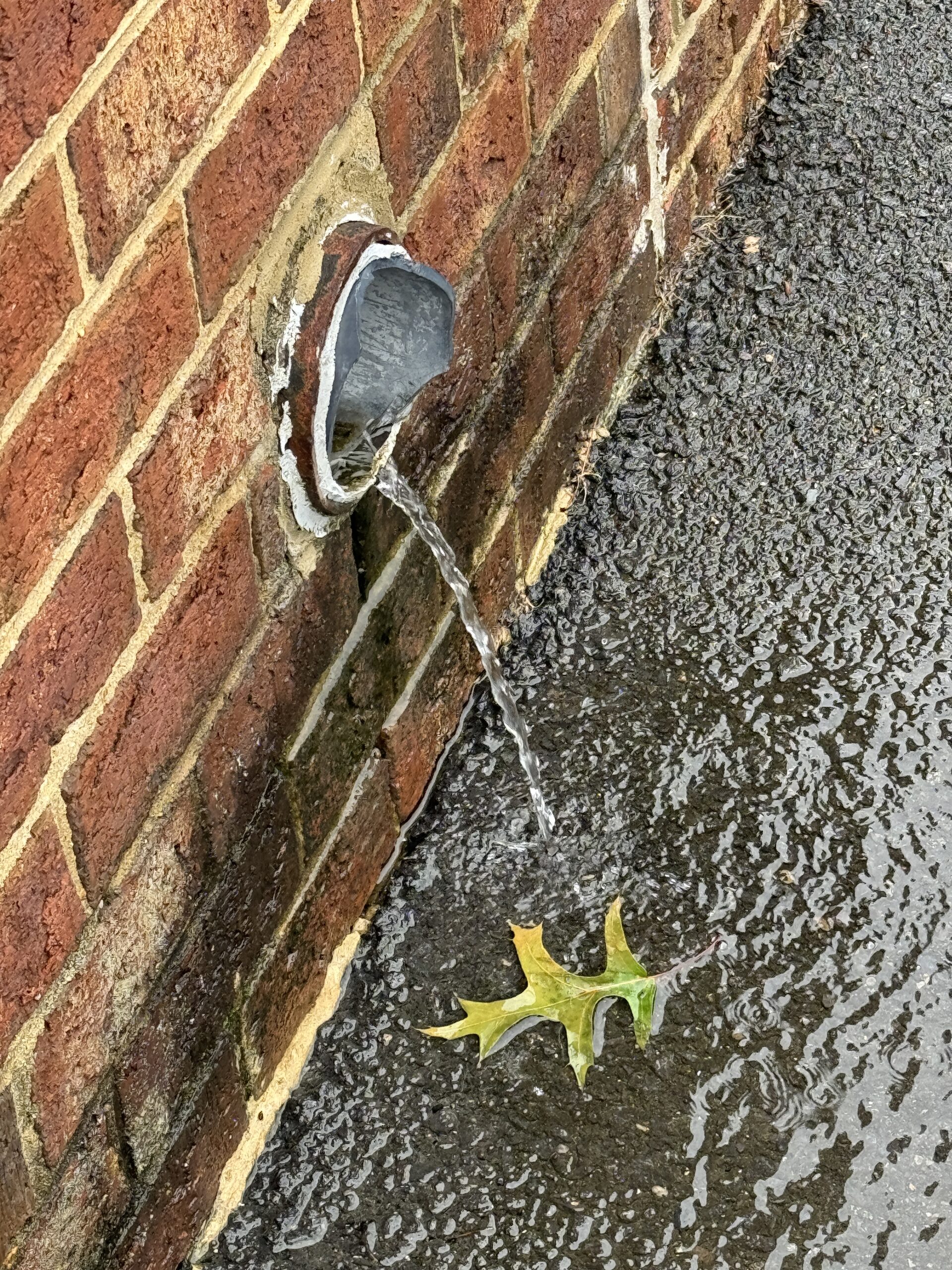
- Keep Your Home Dry: Since ants seek refuge from the rain, minimizing moisture inside your home can help deter them. Repair any leaks in your roof, windows, or plumbing. Ensure that your gutters and downspouts are directing water away from your home’s foundation to avoid water pooling around your house.
- Maintain Cleanliness: Ants are attracted to food, so keeping your home clean is essential. Wipe down countertops, sweep floors, and store food in airtight containers. Pay special attention to areas like the kitchen, pantry, and dining room, where food residues are more likely to accumulate.
- Eliminate Water Sources: Ants need water to survive. Be sure to fix any leaks and avoid leaving standing water in sinks or pet bowls overnight. Consider using a dehumidifier in damp areas like basements or bathrooms to reduce moisture levels.
- Inspect Drainage: make sure water flows away from your home. Check to make sure gutters are not overflowing with water and that water flowing from the gutters drains away. Gutter extensions can help. Make sure the ground is sloped away from the home.
- Trim Vegetation Around Your Home: Ants can use trees, shrubs, and other plants as bridges to enter your home. Keep vegetation trimmed and away from your house’s exterior. This will make it harder for ants to find a path into your home.
- Use Natural Repellents: Some natural substances can repel ants. For instance, vinegar, lemon juice, and essential oils like peppermint and tea tree oil can be effective when applied to entry points and areas where you’ve seen ant activity. These natural deterrents can help keep ants in your house at bay, especially after it rains.
- Regular Pest Control Inspections & Treatment: Having regular inspections from a professional pest control service can help identify potential ant problems before they become infestations. A trained technician can spot early signs of ant activity and recommend preventative measures specific to your home and environment.
Could My Pets Be Contributing to the Ant Problem in My House After It Rains?
After it rains, moisture can drive ants indoors, and your pets and pests may inadvertently play a role in this. Food spills, pet bowls, or even pet treats can attract ants, creating unwanted guests in your home. Keeping areas clean can help manage both your pets and pests effectively.
When to Call a Professional Ant Exterminator
While taking preventative steps can significantly reduce the likelihood of ants in your house, sometimes these persistent pests still find a way in. If you’ve noticed an influx of ants after a rainstorm, or if you’re dealing with a recurring ant problem, it may be time to call in the professionals. Professional pest control services, like My Pest Pros, have the experience and tools to effectively manage ant infestations. They can identify the specific type of ant in your house, locate nests, and apply treatments that are safe for your home and family. Moreover, they can provide ongoing maintenance to ensure that ants don’t return, even after heavy rains. So, why do you have ants in your house after it rains? It’s because the rain forces ants out of their natural habitats, and they seek the safety, food, and shelter that your home provides. By understanding the reasons behind this behavior and taking proactive steps, you can prevent ants from invading your space. However, if the problem persists, don’t hesitate to reach out for professional help. If you’re dealing with ants in your house or other pest issues, contact My Pest Pros today at 703-665-4455. Our team of experts is ready to help protect your home from unwanted invaders, ensuring you can enjoy a pest-free environment all year round.