
After your pest control treatment ends in 30-90 days, its protective barrier fades completely, leaving your Northern Virginia, DC, or Maryland home vulnerable to new pest activity. Pests hidden in wall voids, existing as eggs, or dormant during the initial service weren't affected by the treatment and will emerge weeks later. Meanwhile, ants, spiders, and rodents continuously re-enter through cracks, utility penetrations, and gaps in older construction. The sections below explain why single treatments can't provide lasting protection and what happens between service visits.
Pest Control Treatments Don’t Last Forever in Northern Virginia Homes
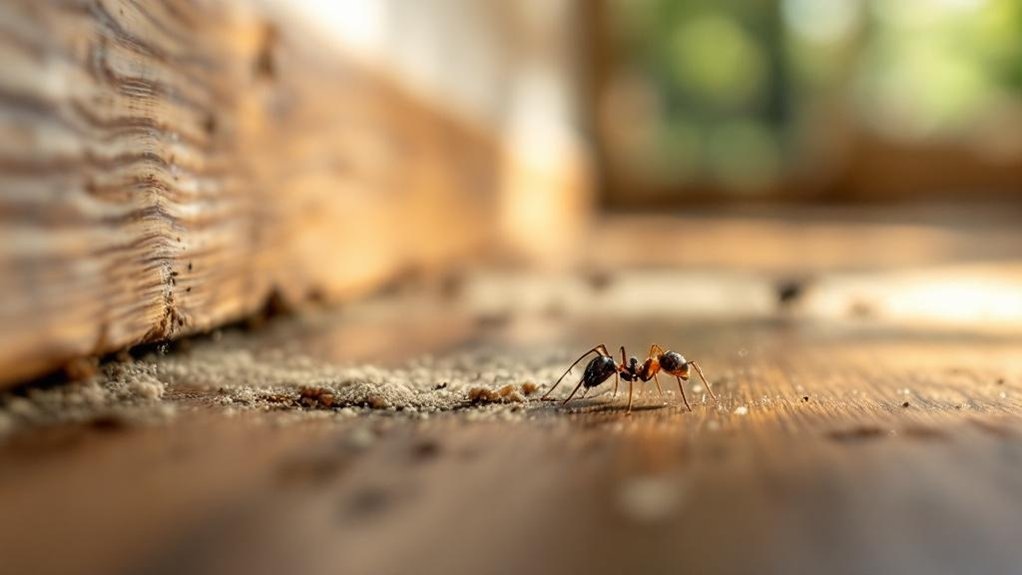
When a pest control technician leaves your Northern Virginia home, the products they've applied are already on the clock. Most treatments are designed to work for 30 to 90 days, depending on the product and where it's applied. After that window closes, protection fades. This isn't a flaw—it's how the chemistry works.
Understanding one time pest treatment limitations helps explain why pests reappear weeks or months later. The treatment didn't fail. It expired. That's the core difference in ongoing pest control vs one time service. One addresses what's there now. The other accounts for what happens after the products break down.
In Vienna and Woodbridge homes with basements, crawl spaces, and seasonal temperature swings, that distinction matters more than most homeowners realize.
What Happens to Pests That Aren’t Active During Treatment
Not every pest in your home is moving around when the technician sprays. Many are tucked into wall voids, hiding in cracks, or sitting dormant as eggs. These hidden pests don't make contact with the treatment product, so they survive the initial application.
When they emerge days or weeks later, you'll see activity again. This is why pests come back after treatment, even when the work was done correctly. The technician treated what was visible and accessible, but couldn't reach what was concealed.
This is exactly why follow up pest control visits exist. They're timed to catch the pests that weren't active during the first visit. It's not about retreating the same problem—it's about addressing what emerges after.
Tired of the same pests coming back every few months? That's not bad luck—it's biology. My Pest Pros builds treatment schedules around when pests actually emerge, not just when you call. Let's break the cycle. Contact My Pest Pros at 703-665-4455 to schedule a pest treatment.
Why Pest Eggs and Hidden Populations Survive in Virginia and Maryland Houses
Most homes in Northern Virginia, DC, and Maryland weren't built with pest prevention in mind. In Fairfax, Arlington and Alexandria, older in construction means wall voids, crawl spaces, and gaps behind baseboards where pests hide during treatment.
What happens after pest control treatment depends partly on where pests were when products were applied.
Pest control products work on contact or ingestion. If roaches, ants, or spiders are tucked inside walls or beneath insulation, they won't encounter treated surfaces right away. Eggs are even more protected—most products don't affect them at all.
That's why follow-up matters. When you ask how long does pest control last, you're really asking how long until hidden populations emerge. In many cases, it's two to four weeks—right when the initial treatment starts losing effectiveness.
How New Pests Re-Enter Homes Across Northern Virginia, DC, and Maryland
A single pest control treatment can't seal your home. Ants, spiders, and rodents re-enter through the same gaps that let them in before—cracks in foundations, utility penetrations, worn weatherstripping, and gaps around pipes. In Northern Virginia, DC, and Maryland, older construction means more entry points.
Shared walls in townhomes create pathways between units. Basements and attics offer dozens of potential access routes.
Even if your technician applied treatment around these areas, the product doesn't create a physical barrier. It kills pests that cross treated zones, but only while it's active. Once the treatment breaks down, new pests walk right through untreated gaps.
You're not seeing the same pests return. You're seeing new ones arrive through entry points that were never addressed.
Why Follow-Up Pest Control Visits Matter More in the Mid-Atlantic
Between frozen January mornings and humid August nights, homes in Northern Virginia, DC, and Maryland experience temperature swings that constantly shift pest behavior. That seasonal variation means you're not dealing with one pest problem—you're managing a rotating calendar of different species appearing at different times.
Follow-up visits align treatment timing with those cycles. A January service targets overwintering pests. March catches emerging spring activity. August addresses heat-driven invasions. Without scheduled follow-ups, you're always reacting after pests have already established themselves inside.
Older homes in this region compound the challenge. Shared walls, settled foundations, and aging construction create entry points that remain vulnerable between treatments. Follow-up visits don't just reapply product—they identify what's changed since the last service.
Contact My Pest Pros
You're not stuck in a loop—you're just up against how pests actually work. Treatments break down. Eggs hatch. New ones move in. That's not failure—it's biology. If you want to stay ahead in Northern Virginia, DC, or Maryland, you need more than a one-time visit. You need follow-ups, exclusion work, and a plan that matches the pressure your home faces year-round.
Contact My Pest Pros today at 703-665-4455 to schedule a comprehensive pest treatment and develop a long-term protection plan for your home.