
Key Takeaways: Homeowners Insurance and Pests
- Home insurance typically does not cover pest control treatments, including extermination services for infestations.
- Coverage for damage caused by pests varies; some policies exclude certain pests like termites and rodents.
- Infestations present before the policy initiation are often not covered under standard home insurance.
- Regular pest inspections and preventive measures can positively influence insurance risk assessments and coverage options.
- Consulting with your insurance agent is crucial to clarify specific pest-related coverage limitations in your policy.
Understanding Home Insurance Policies
Common Pest Issues and Their Coverage
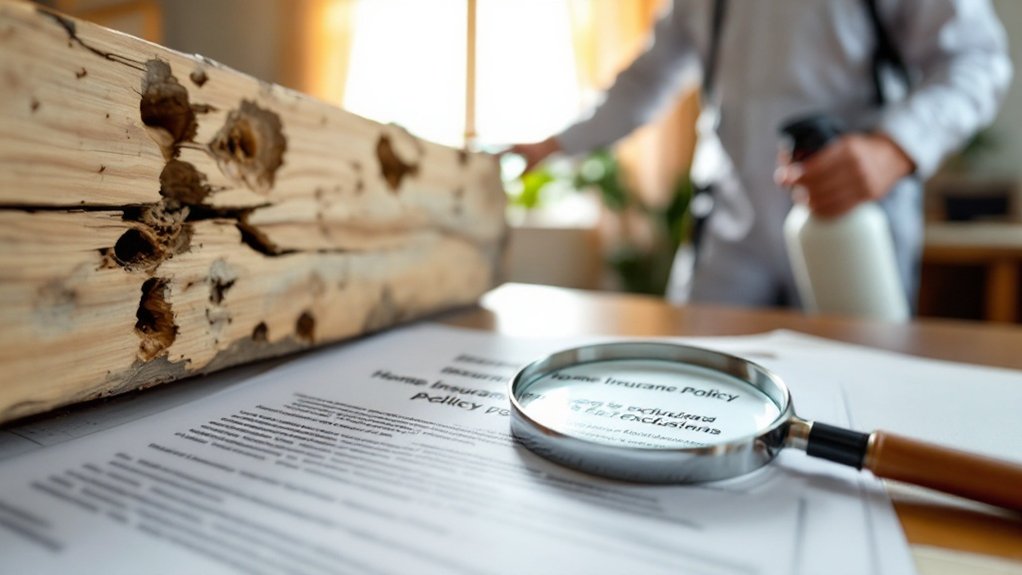
Pest issues can arise unexpectedly, and knowing how your home insurance policy addresses them is essential. Common pests like termites, rodents, and bedbugs can cause significant damage, but coverage varies widely. Generally, home insurance doesn't cover pest control treatments, particularly if pests were present before the policy began. You'll often find insurance exclusions related to infestations or damage caused by neglecting pest prevention strategies. To protect your home, it's vital to invest in regular pest inspections and preventive measures. This proactive approach can help you avoid costly repairs and potential insurance disputes down the line. If you experience a pest problem, review your policy carefully and consult with your insurance agent to clarify your coverage options. Understanding these key details can empower you to manage pest issues effectively and maintain a safe, comfortable home environment.Factors Affecting Pest Control Coverage
Steps to Take for Pest Control Issues
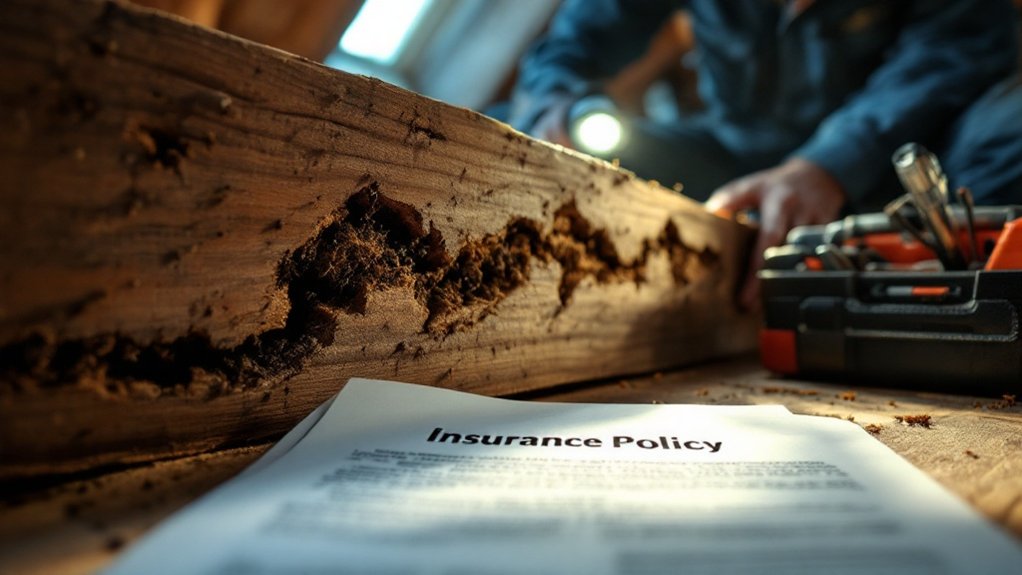
To effectively address pest control issues, start by identifying the type of pest and the extent of the infestation. This helps you determine the best course of action. Once you know what you're dealing with, consider implementing some pest prevention tips, like sealing cracks, keeping food stored properly, and maintaining a clean environment. If the infestation is minor, you might try DIY pest solutions, such as traps or natural repellents. Research effective methods that suit your specific pest problem. For larger infestations, it's wise to consult professionals, as they can provide tailored strategies and products. My Pest Pros offers customized programs designed to eliminate pest problems in Northern VA, DC, and MD. Regular monitoring is key. After treatment, keep an eye out to prevent future issues. Remember, a proactive approach is your best defense against pests. By staying informed and taking action, you'll create a pest-free home environment that you and your loved ones can enjoy.Is Pest Control Coverage in Virginia Similar to General Home Insurance Policies?
When exploring home insurance pest coverage in Virginia, it's essential to note that it often differs from standard home insurance policies. While general policies may protect against structural damage, specific pest-related issues might require additional coverage or separate policies to ensure comprehensive protection against infestations.