
Key Takeaways About Termite Treatment
- Eastern subterranean termites are the most common in Northern Virginia and Maryland, thriving in moist environments and causing significant damage if untreated.
- Drywood termites infest dry wood in attics or furniture, while dampwood termites prefer moist, decaying wood; both require specific treatment methods.
- Regular inspections at least once a year are essential for early identification of termite activity and preventing costly damage.
- Effective treatments include liquid termiticides for barriers, bait systems like Sentricon for elimination, and fumigation for severe infestations.
- Understanding the specific termite species is crucial for selecting the most appropriate and effective treatment options.
Overview of Termite Species Found in Northern Virginia and Maryland

Identifying Eastern Subterranean Termites
Eastern subterranean termites are easily identifiable by their distinct physical characteristics. You'll notice they have a creamy yellow to brown body, with workers measuring about ¼ inch long. Their straight antennae and broad waist set them apart from other species. If you're inspecting your home for these pests, look for mud tubes along foundations or exposed wood. These tubes serve as their highways to access food sources. During a termite inspection, it's vital to check areas like basements and crawl spaces, as these are prime habitats for eastern subterranean termites. If you spot signs of infestation, immediate termite treatment is necessary to prevent further damage. Consider consulting a professional termite exterminator to assess the situation and discuss effective termite control options. With proactive measures, you can guarantee your home has the best termite protection available, safeguarding it against these destructive pests.Recognizing Drywood and Dampwood Termites

Importance of Termite Inspections for Homeowners
Since termites can cause significant damage to your home before you even notice them, regular termite inspections are crucial for homeowners. These inspections help you identify any signs of termite activity early, allowing for effective termite control before the situation escalates. By scheduling routine inspections, you'll have peace of mind knowing that your home is protected. During a termite inspection, a professional will assess your property for potential entry points and signs of infestation. This proactive approach can save you from costly repairs and extensive damage down the line. Additionally, early detection guarantees that you can implement the most suitable termite treatment options tailored to your home's needs. Ultimately, investing in a termite inspection not only safeguards your property but also enhances its value. Don't wait until it's too late; prioritize regular inspections to maintain a termite-free environment and secure your investment.Effective Home Termite Treatment Options
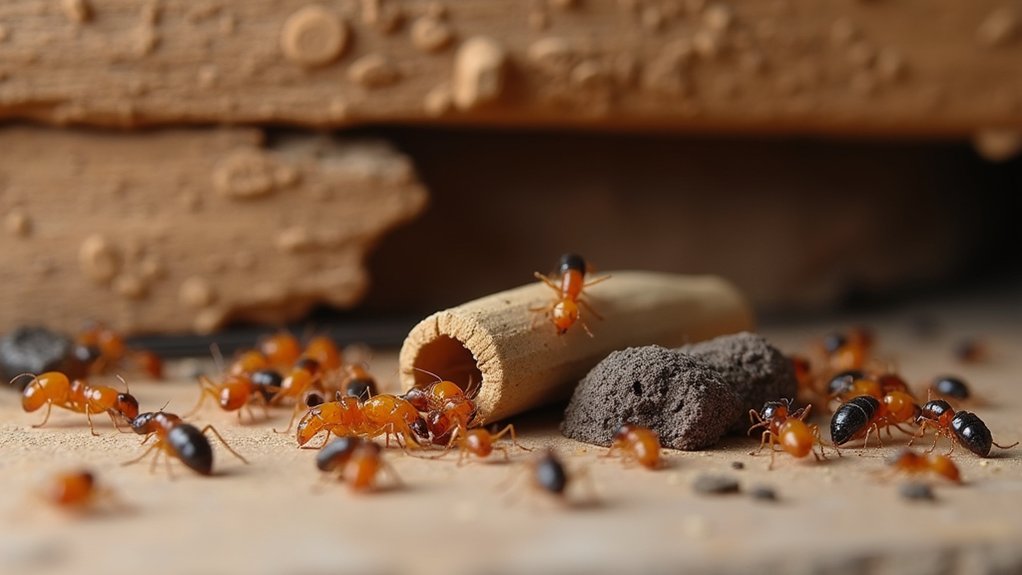
- Liquid Termiticide: Apply liquid treatments around the foundation to create a barrier that repels and kills termites.
- Bait Systems: Install bait stations like Sentricon to attract and eliminate the colony over time.
- Fumigation: For severe infestations, fumigation may be necessary to eradicate termites throughout your home.
- Wood Treatments: Treat exposed wood with borate solutions to prevent future infestations.
How My Pest Pros Performs Home Termite Treatment
At My Pest Pros, we want to use the best products to protect your home, whether it's for termites or other pest control issues, while also looking out for the safety of your family and our environment. That's why we choose to use Sentricon to protect homes from termites in Northern Virginia and Maryland. Numerous independent academic studies have shown Sentricon to be among the best termite treatments and most effective termite protection you can find. It will eliminate termite colonies around your home and protect against invading termites. Sentricon is like filet mignon for termites. Termites bring the bait back to the colony thinking they are feeding it. In reality, they are eliminating the colony, which can number as many as 2 million termite! Unlike liquid termite treatments, Sentricon does not degrade over time and is safe to be placed around vegetable gardens as well as wells. We will install Sentricon stations around your home, typically at 8-10 foot intervals. Sentricon Above Ground stations are great for use if you have a termite issue inside your home. We can bring the bait right to the termites. During regular termite inspections, we will update the stations as needed and make sure they are effectively protecting your home against termites.What Are the Most Effective Termite Treatments for Preventing Infestations of Different Termite Species?
Effective termite treatments begin with preventive termite control strategies tailored to specific species. Soil treatments, baiting systems, and physical barriers are vital methods. Additionally, regular inspections and maintenance around structures help identify risks, ensuring homes remain safe from the costly damage caused by various termite infestations.