Key Takeaways About Effective Ant Control
- Call an exterminator for ants if you see visible ant trails indicating an active infestation near a colony.
- Seek professional help when DIY solutions fail to eliminate persistent or large ant colonies.
- If ants are found in unusual areas like the pantry or walls, it may signal a deeper infestation.
- Contact an exterminator immediately if you notice compromised food sources or sanitation issues in your home.
- If you observe a significant number of ants consistently, it's time to engage a professional for tailored treatment.
Understanding the Types of Ants in Your Home
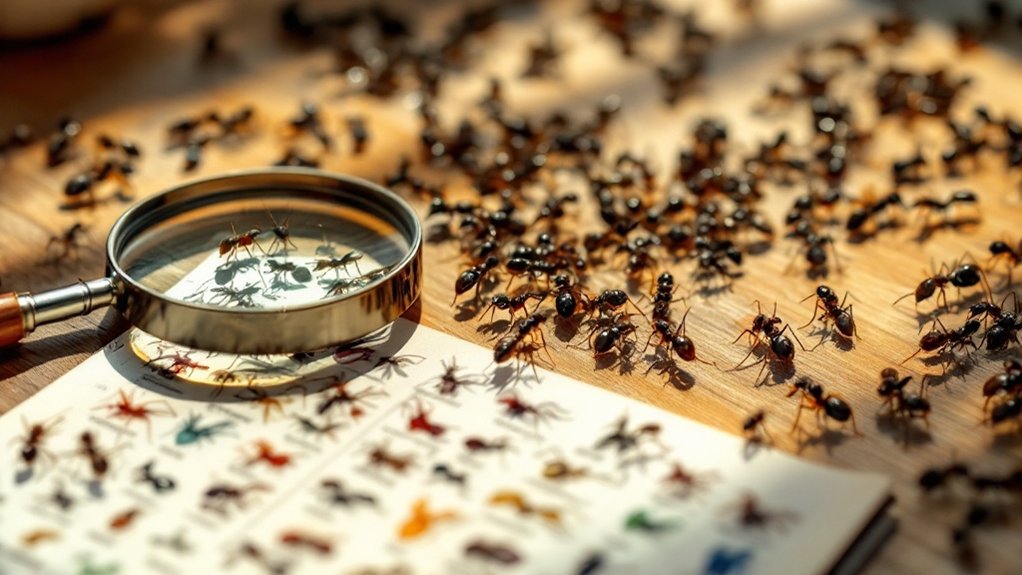
Identifying the Signs of an Ant Infestation
When you notice visible ant trails in your home, it's a clear sign of an infestation. These trails often lead to compromised food sources, making it essential to act quickly. Identifying these signs early can help prevent a larger problem down the line.Visible Ant Trails
Visible ant trails are one of the clearest signs that an ant infestation is underway in your home. When you spot these trails, you're witnessing ant behavior in action, as ants follow paths marked by trail pheromones. These chemical signals guide them to and from food sources, creating organized routes that can lead right into your living space. It's vital to pay attention to these trails, as they indicate not just the presence of ants but also their potential to establish a colony nearby. If you notice multiple trails or an increase in ant activity, it's time to take action. Ignoring visible ant trails can lead to a larger infestation, compromising your home's comfort and safety.Food Sources Compromised
Ants are often drawn to food sources, and compromised food items can be a major indicator of an infestation. If you notice food containers left open or crumbs on counters, it's a sign that ants may be nearby. Implementing kitchen sanitation tips, like sealing food properly and cleaning spills immediately, can help deter these pests. Additionally, consider using ant baiting strategies to effectively manage an infestation. Place bait near identified trails, as this will attract ants and help eliminate the colony. If you find yourself overwhelmed despite these efforts, it may be time to call an exterminator. Remember, maintaining a clean kitchen is your first line of defense against unwanted ant guests.The Importance of Quick Action

Early Detection Benefits
When you notice the first few ants in your home, it's crucial to act quickly, as early detection can greatly reduce the risk of a larger infestation. Implementing early intervention strategies, like sealing entry points and removing food sources, can help contain the problem. By addressing the issue promptly, you prevent ants from establishing a colony, which can lead to more significant challenges down the line. Additionally, using proactive monitoring techniques, such as regularly inspecting common entryways and keeping an eye out for signs of ant activity, can empower you to stay ahead of potential infestations. Your swift action not only protects your home but also fosters a sense of community as you maintain a clean and inviting environment for everyone.Preventing Infestations
While you might think a few ants are harmless, quick action is essential to prevent a full-blown infestation. Implementing effective ant proofing strategies can save you time, money, and stress. Start by sealing cracks and crevices in your home, as these serve as entry points. Keep food stored in airtight containers and regularly clean up spills and crumbs. For a proactive approach, consider using natural deterrents like vinegar or essential oils, which can repel ants without harsh chemicals. By combining these methods, you create an unwelcoming environment for ants, reducing the likelihood of an invasion. Remember, taking swift action today can keep your home ant-free tomorrow and foster a sense of belonging in your pest-free space.Health Risk Awareness
Ignoring the presence of ants can quickly lead to health risks that affect you and your family. Ants can carry bacteria and pathogens, posing significant health hazards. They often invade food storage areas, increasing sanitation concerns and contaminating your meals. When ants invade, they can compromise your home's hygiene, leading to potential illness. It's essential to act swiftly when you notice them, as a small issue can escalate into a serious infestation. By calling an exterminator promptly, you not only protect your family's health but also maintain a clean and safe living environment. Don't wait for the problem to worsen; taking action now can help guarantee your home remains a sanctuary for your loved ones.When DIY Solutions Fail
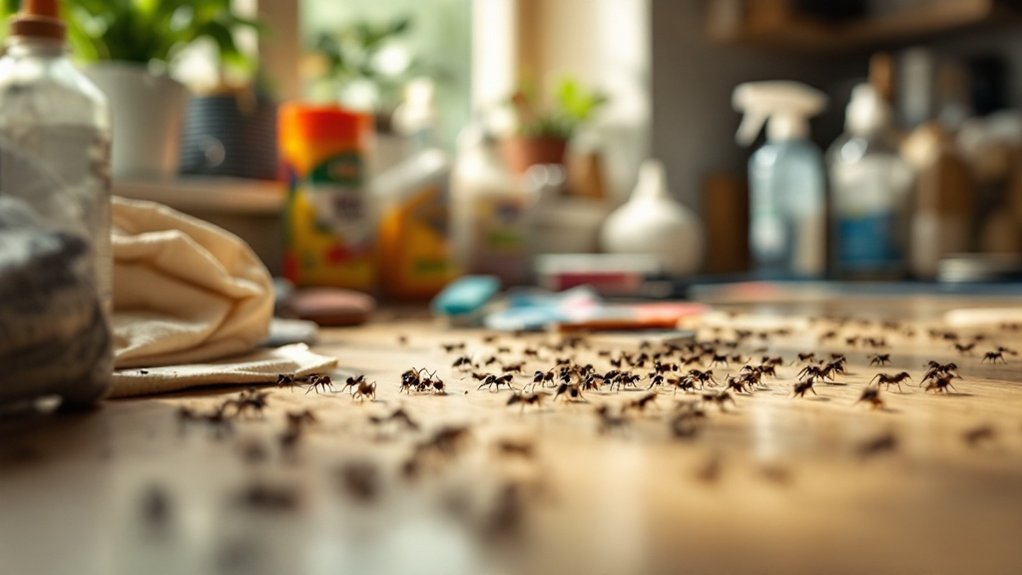
The Size of the Ant Colony Matters
Understanding the size of the ant colony is essential when deciding whether to call an exterminator. Larger colonies often indicate a more significant problem, as they can rapidly expand and invade your space. If you notice a steady stream of ants, it's likely you're dealing with a sizable colony. This colony size affects ant behavior; for example, larger groups tend to forage more aggressively for food, making them harder to control with DIY methods. If you're seeing persistent ant activity, especially in large numbers, don't hesitate to seek the help of a professional ant exterminator. An exterminator can assess the situation and implement effective strategies tailored to the colony size. Remember, addressing a small infestation early can prevent it from growing into a larger problem. Ultimately, understanding the dynamics of ant colonies can help you make informed decisions about when to reach out for expert assistance.Ants in Unusual Areas of Your Home

- Pantry and food storage: Check for crumbs and spills.
- Bathrooms: Look for moisture, which attracts ants.
- Walls and ceilings: Identify any cracks or openings.
- Basements or attics: These spaces can serve as nesting locations.
Health Risks Associated With Ant Infestations
Ant infestations can pose significant health risks that you shouldn't overlook. These pests can carry and transmit diseases, as well as trigger allergic reactions in sensitive individuals. Addressing an ant problem promptly helps protect your home and family from potential health hazards.Disease Transmission Potential
When dealing with an ant infestation, you might be surprised to learn that these tiny pests can pose significant health risks. Ants can carry various pathogens, leading to the transmission of ant borne diseases. To protect your home and loved ones, it's crucial to maintain proper sanitation practices. Here are some key health risks associated with ant infestations:- Contamination of food and surfaces
- Increased risk of foodborne illnesses
- Potential for spreading harmful bacteria
- Attraction of other pests that pose additional health risks
Allergic Reactions Risks
While the health risks associated with ant infestations often focus on disease transmission, allergic reactions can also pose significant concerns. Many people are unaware that exposure to ants, particularly their bites or stings, can trigger allergic reactions ranging from mild irritation to severe anaphylaxis. If you or someone in your household has a history of allergies, it's crucial to be vigilant. Symptoms may include itching, swelling, or respiratory issues, which can escalate into serious medical concerns if left unaddressed. If you notice an ant infestation in your home, don't hesitate to call an exterminator. Addressing the problem promptly can help protect your family's health and guarantee a safer living environment for everyone.Seasonal Patterns of Ant Activity
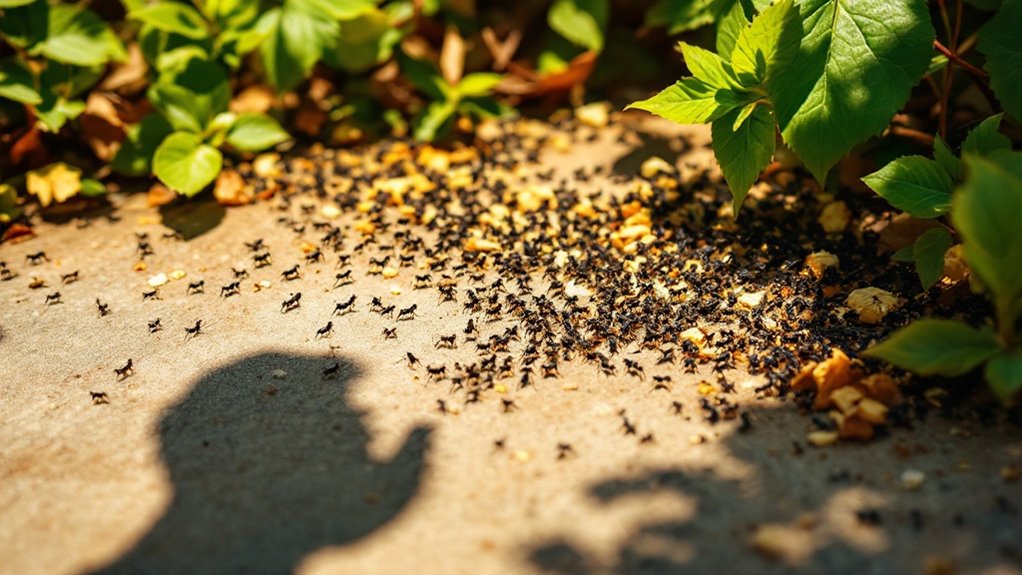
- Spring: Ants emerge from hibernation, searching for food and mates.
- Summer: Colonies expand rapidly, making them more visible around your home.
- Fall: Ants start to gather food and prepare for winter, often seeking shelter indoors.
- Winter: While many ants hibernate, some species remain active in warmer environments, potentially leading to indoor infestations.
The Benefits of Professional Extermination
If you're facing an ant problem, calling a professional exterminator can be a game changer in effectively managing the situation. One of the primary exterminator benefits is their expertise in identifying ant species and understanding their behavior, which allows for targeted treatment. Unlike typical DIY solutions, professional services utilize advanced techniques and safe products to eliminate infestations at their source. Moreover, these experts can assess your property for potential entry points and nesting areas, preventing future invasions. You'll also save time and effort, as they handle the entire process, from inspection to treatment and follow-up. Peace of mind comes from knowing that the problem is being addressed by trained professionals who prioritize safety for both your family and the environment. Ultimately, investing in professional extermination not only resolves your current ant issue but also helps maintain a pest-free home for the long run.Choosing the Right Exterminator for Ants

- Exterminator Qualifications: Check their certifications and experience. A qualified exterminator will have the necessary training to handle various ant species effectively.
- Service Guarantees: Look for companies that offer guarantees on their services. This shows their confidence in solving your ant issue and your satisfaction.
- Reviews and References: Read customer reviews and ask for references. This helps you gauge the company's reputation and reliability.
- Treatment Plans: Inquire about their approach to ant control. A thorough plan tailored to your specific situation is essential for long-term success.
What Factors Should I Consider When Deciding Whether to Call an Exterminator for Ants Based on Extermination Costs?
When considering whether to call an exterminator for ants, evaluate the severity of the infestation, potential health risks, and the effectiveness of DIY methods. It's also crucial to compare ant removal expenses with the costs of damage caused by pests. A thorough assessment can guide your decision effectively.