
Key Takeaways on Termite Control
- Implement liquid chemical treatments to create a protective barrier around your home, preventing termite entry.
- Utilize bait systems that attract termites and deliver slow-acting insecticides for effective elimination.
- Conduct regular inspections, especially in high-risk areas, to detect and address potential infestations early.
- Maintain moisture control by ensuring proper drainage and humidity levels to deter termite attraction.
Understanding Termite Behavior and Types
Identifying Signs of Termite Infestation
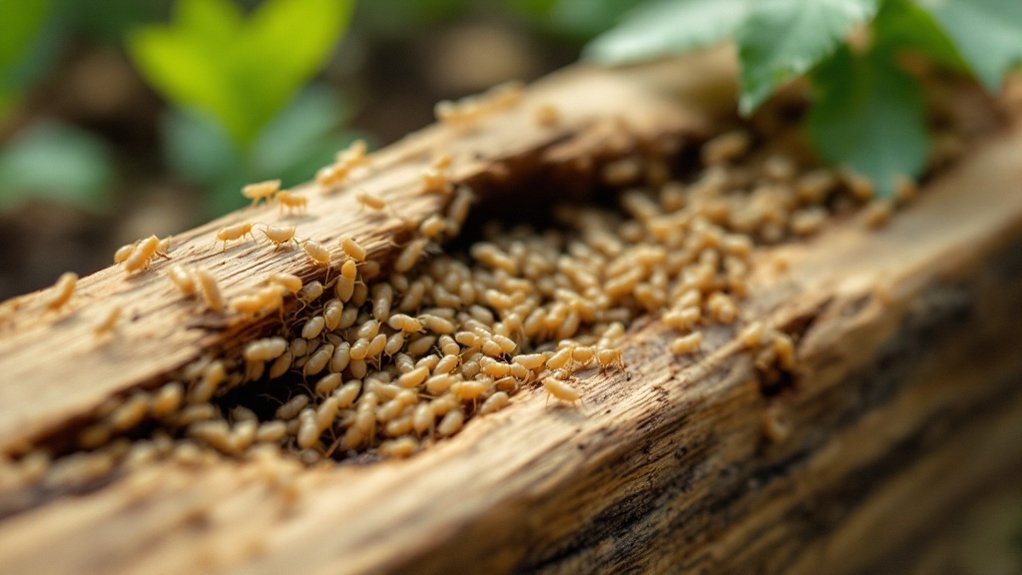
Recognizing the signs of termite infestation is vital for timely intervention. By identifying these indicators early, you can take necessary action to protect your property. Here are key signs to look for: Look for discarded wings, as termites shed their wings after swarming, which often occurs during warm months. Additionally, listen for subtle tapping sounds in your walls, a sign that termites are hard at work eating through wood. By being vigilant and identifying termites in your home, you can safeguard your investment and prevent extensive damage.- Termite Droppings Identification: Small, pellet-like droppings can indicate an active infestation. They often resemble coffee grounds.
- Mud Tube Observation: Check for mud tubes on exterior walls or foundations. These tubes provide termites with moisture and shelter as they travel.
- Damaged Wood: Hollow-sounding wood or visible tunnels in wooden structures signal potential termite activity.
- Swarmers: If you notice winged termites inside your home, it's a strong sign of a nearby colony. Additionally, seeking help from a full-service local pest control company can ensure effective management of termite issues.
Assessing the Extent of Damage

Visual Inspection Techniques
While examining your property for termite damage, it is crucial to employ effective visual inspection techniques that allow you to assess the extent of the infestation. Utilize the following inspection tools to uncover critical visual clues:- Flashlight: Illuminate dark areas where termites might hide.
- Screwdriver: Probe wood surfaces to check for softness or hollow sounds.
- Moisture Meter: Measure moisture levels in wood, as termites thrive in damp conditions.
- Binoculars: Inspect higher areas like eaves and roofs for potential damage.
Identifying Termite Infestation Signs
How can you effectively identify signs of termite infestation and assess the extent of damage? Start by looking for visual indicators such as mud tubes, discarded wings, and hollow-sounding wood. Check areas where wood meets soil, as these are common entry points. Pay attention to sound detection; listen for clicking noises, which can indicate active feeding by termites. Conduct a thorough inspection in basements, attics, and around foundations to uncover hidden damage. If you notice any signs, it's essential to act quickly, as prompt identification can prevent extensive harm. Remember, addressing the issue early not only protects your property but also fosters a sense of community well-being, ensuring your home remains a safe haven for you and your loved ones.Effective Treatment Options for Termites
When it comes to effective termite treatment options for termites, understanding the available methods is essential for safeguarding your property. You have several options to evaluate, including natural termite remedies, termite baiting systems such as Sentricon, and chemical treatments. Here's a concise list to guide your decision:- Nematodes: Beneficial microscopic worms that prey on termites, providing an eco-friendly solution.
- Liquid Chemical Treatments: These create a barrier around your home, preventing termites from entering.
- Bait Systems: Placed around your property, these lure termites in and deliver slow-acting insecticides.
Preventative Measures to Protect Your Home

The Role of Professional Pest Control Services
Professional pest control services play an essential role in managing and preventing termite infestations. By utilizing their expertise, you can greatly enhance your home's protection. Here are some key service benefits that these professionals provide:- Comprehensive Inspections: They assess your property for existing infestations and potential vulnerabilities.
- Targeted Treatments: Using advanced methods, they effectively eliminate termites and prevent future invasions.
- Customized Plans: Professionals tailor pest control strategies to your specific needs and property conditions.
- Ongoing Support: You gain access to expert advice and follow-up services to guarantee long-term protection.
Ongoing Maintenance and Monitoring Strategies

Regular Inspections Schedule
Establishing a regular inspection schedule is essential for effective termite control and early detection of infestations. You should consider the following factors to optimize your inspection frequency and make seasonal adjustments as needed:- Quarterly Inspections: Conduct inspections every three months in high-risk areas.
- Seasonal Adjustments: Increase frequency during warmer months when termites are more active.
- Post-Treatment Checks: Schedule inspections shortly after any treatment to monitor effectiveness.
- Annual Reviews: Perform a thorough inspection yearly to assess overall property health.
Moisture Control Measures
Since moisture is a primary attractant for termites, implementing effective moisture control measures is essential for ongoing maintenance and monitoring. Start by ensuring your drainage systems are functioning properly. Check gutters and downspouts to prevent water accumulation around your foundation. You should also monitor humidity levels in your home, especially in basements and crawl spaces. Using dehumidifiers can help maintain ideal humidity, ideally below 50%. Regularly inspect plumbing for leaks, and seal any cracks in walls or foundations to reduce moisture entry points. Additionally, landscaping should slope away from your home to divert water. By proactively managing moisture, you create an environment that's less inviting for termites, ultimately protecting your property and fostering belonging in your community.Baiting System Implementation
While implementing a baiting system such as Sentricon is a proactive measure against termites, ongoing maintenance and monitoring are essential to confirm its effectiveness. To ascertain your baiting strategies are successful, follow these monitoring techniques:- Regular Inspections: Check bait stations every 4-6 weeks for termite activity.
- Replace Baits: Verify that bait materials are replenished or replaced as needed, typically every few months.
- Document Findings: Keep records of your inspections, noting any changes in termite activity or bait consumption.
- Consult Professionals: Engage pest control experts for periodic evaluations to optimize your baiting system.
How My Pest Pros Performs Termite Control
Effective control of termites and termite prevention requires an ongoing program. At My Pest Pros, we install and maintain Sentricon termite systems around homes and buildings. Sentricon can help to eliminate entire termite colonies as well as protect against termite colonies expanding around your home. We perform regular inspections and update bait stations as needed. We also recommend regular interior inspections of your home. Our technicians will recommend addressing issues that are conducive for termites and physical maintenance that can help deter them.Is the Method for Getting Rid of Termites Effective for Permanent Control?
Many homeowners seek to eliminate termite infestations, but the effectiveness of various methods varies. Chemical treatments, bait systems, and natural solutions all have their merits, yet ensuring long-term control often requires a combination of strategies. Regular inspections and maintenance are essential to safeguarding your property against these destructive pests.