
To keep your home cricket-free this winter, start by sealing entry points like gaps in doors and windows with caulk or weather stripping. Maintain a clean environment by vacuuming regularly and storing food in airtight containers. Utilize natural repellents such as essential oils or diatomaceous earth in hiding spots. If you notice persistent chirping or a significant infestation, professional cricket pest control help might be necessary. Find out more ways to effectively combat these pests indoors this winter.
Cricket Pest Control Key Takeaways
- Seal all entry points by inspecting walls, doors, and windows for cracks and gaps, using caulk and weather stripping as needed to help with pest prevention.
- Maintain a clean environment by regularly vacuuming, sweeping, and storing food in airtight containers to eliminate potential food sources.
- Utilize natural repellents like essential oils, diatomaceous earth, and citrus peels to create an uninviting atmosphere for crickets.
- Check and repair any foundation cracks and install screens on vents to prevent crickets from entering your home.
- If infestations persist, consider calling a professional pest control services for effective cricket pest control treatment and tailored home pest control solutions.
Understanding the Cricket Life Cycle
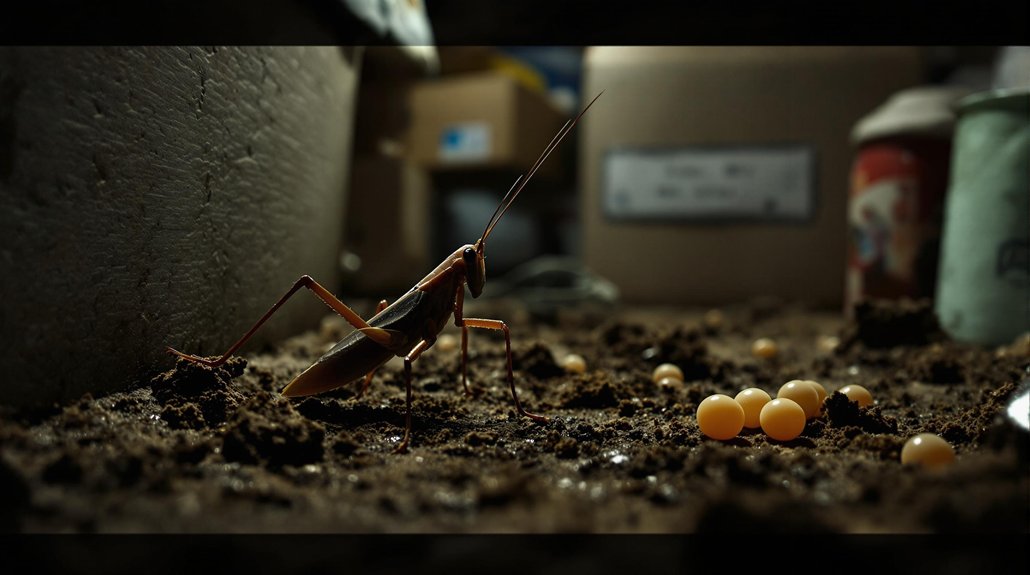
To effectively keep your home cricket-free, it is essential to understand the cricket life cycle. Crickets begin as eggs, which females lay in moist soil or hidden areas. These eggs hatch into nymphs, resembling miniature adults without wings. Nymphs go through several molts, growing larger with each stage until they reach adulthood. This process can take anywhere from a few weeks to several months, depending on environmental conditions.
Adult crickets are the ones you're likely to encounter in your home. They're attracted to warmth and moisture, seeking refuge in dark places. Understanding this cycle helps you target specific stages for control. For instance, eliminating nymphs can prevent them from maturing into adults. By addressing each life stage, you can disrupt their reproduction and reduce their population. Recognizing the signs of crickets at different stages is essential for effective pest prevention.
Sealing Entry Points
Sealing entry points is essential in keeping crickets out of your home. Start by inspecting your exterior walls, doors, and windows for gaps or cracks. Use caulk to seal small openings, and consider weather stripping for doors and windows that don't close tightly. Pay special attention to areas where utilities and pipes enter your home, as these can be prime entry points for crickets.
Additionally, check your foundation for cracks and repair them as needed. Don't forget about vents; installing screens can help keep pests at bay.
Make sure that your garage door seals properly, as crickets can easily slip through any openings. Finally, verify that your screen doors and windows are in good condition without any tears or holes. By sealing these entry points, you'll create a barrier that helps keep crickets outside where they belong, making your home a less inviting place for them.
Maintaining a Clean Environment
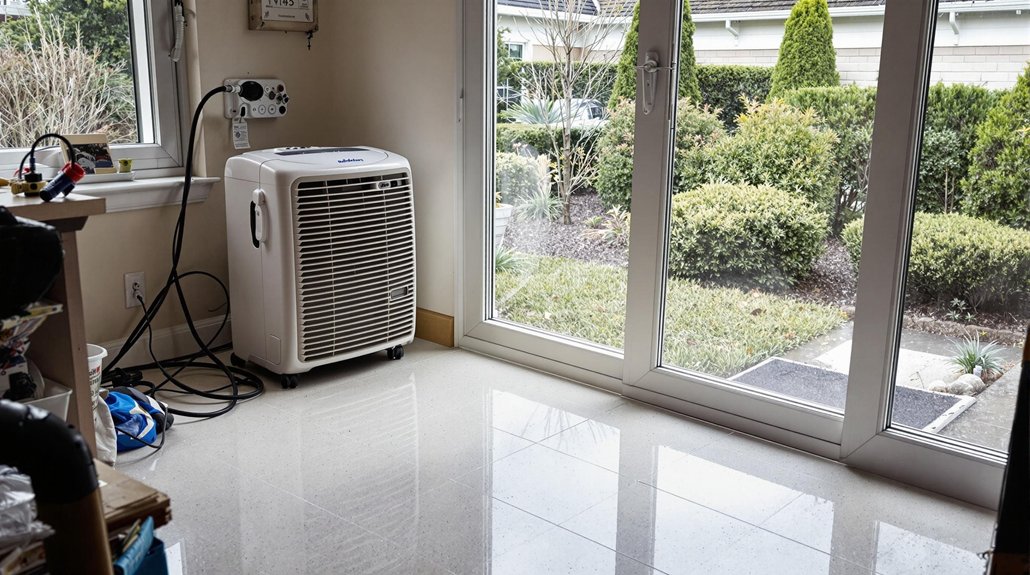
While sealing entry points is essential, maintaining a clean environment inside your home is equally important in keeping crickets at bay. Start by regularly vacuuming carpets and rugs, as crumbs and debris can attract these pests. Make sure to sweep and mop hard floors to eliminate any hiding spots.
Don't forget to clean up spills and food residues promptly, especially in the kitchen. Store food in airtight containers to prevent crickets from being lured inside.
Also, declutter areas like basements and attics where crickets might find shelter. Keep your trash cans sealed and take out the garbage regularly.
Utilizing Natural Repellents
Wondering how you can keep crickets away without harsh chemicals? You've got plenty of natural options at your disposal. First, consider using essential oils like peppermint, eucalyptus, or tea tree oil. Mix a few drops with water in a spray bottle and apply it around entry points and infested areas. Crickets dislike the strong scent and will steer clear.
Another effective repellent is diatomaceous earth. Sprinkle it in areas where crickets might hide; it's safe for pets and humans but deadly for insects. You can also try placing citrus peels or garlic cloves around your home, as their scents are unappealing to crickets.
Finally, keeping windows and doors sealed tight helps prevent entry. By utilizing these natural repellents, you'll create an environment that's less inviting for crickets, ensuring a more peaceful winter at home.
When to Call a Professional Cricket Exterminator?
Sometimes, despite your best efforts to keep crickets at bay, their presence can become overwhelming. If you notice a significant infestation that natural repellents and DIY methods can't handle, it might be time to call in a professional pest control services company. Look for signs of a larger problem, like persistent chirping in multiple rooms or finding crickets in unexpected places.
Pest management professionals have access to specialized tools, training, and treatments that can effectively eliminate crickets and prevent future infestations. If you've tried various methods without success or if you're dealing with a home that's particularly vulnerable, don't hesitate to seek help. Additionally, if you're unsure about safely using chemicals or if you have pets and kids at home, it's wise to consult an expert. They'll provide a tailored approach to guarantee your home stays cricket-free while keeping your family safe. Consider reaching out to a family-owned pest control company that focuses on personalized service to address your specific needs.
Cricket Pest Control
Don’t let crickets invade your home and disrupt your peace! Effective cricket pest control is essential to eliminate these noisy pests and prevent future infestations. My Pest Pros offers expert pest prevention solutions and pest management programs for your home pest control. Call 703-665-4455 today to schedule your service and enjoy a pest-free home!