

When you think about spiders, you might picture creepy crawlers lurking in the corners of your home, but their role in our ecosystems is far more complex. While some species act as effective pest controllers, reducing unwanted insects, others can pose risks to your health.
That’s why effective spider control isn’t necessarily about eliminating every spider you see. It starts with understanding which spiders are beneficial, which may be harmful, and when activity inside your home has reached the point where professional help makes sense.
For homeowners in Virginia, knowing the difference can help you decide when to leave a helpful spider alone and when to call a local spider exterminator. So, how do we differentiate between the beneficial and the harmful? When should you call a local pest control company? And when should you burn the house down? Kidding!
The Role of Spiders in Ecosystems
Spiders play a crucial role in maintaining ecological balance, acting as both predators and prey within various ecosystems. You mightn't realize it, but their presence in spider habitats—ranging from forests to gardens—helps control insect populations. As predators, spiders consume a significant number of pests, reducing the likelihood of outbreaks that could disrupt the balance of their environments.
By preying on insects, they contribute to the stability of food webs, ensuring that no single species dominates the ecosystem. In turn, spiders themselves serve as food for birds, mammals, and other wildlife, further integrating them into the ecological matrix. This predator-prey dynamic is essential to maintaining biodiversity.
Moreover, the variety of spider habitats allows different species to thrive, each adapted to its specific environment. Some prefer moist, dark areas, while others are found in dry, arid conditions. Each habitat supports a unique community of spiders, which collectively contribute to the ecological balance.
Understanding their role emphasizes the importance of preserving these habitats, as their decline could lead to imbalances that affect entire ecosystems. Recognizing spiders' significance helps us appreciate their place in the natural world.
Beneficial Spiders for Pest Control
When it comes to natural pest control, beneficial spiders are often unsung heroes in our gardens and homes. Spiders truly are local pest control! These arachnids thrive in various spider habitats, such as gardens, basements, and corners of rooms, where they establish their webs or hide in crevices.
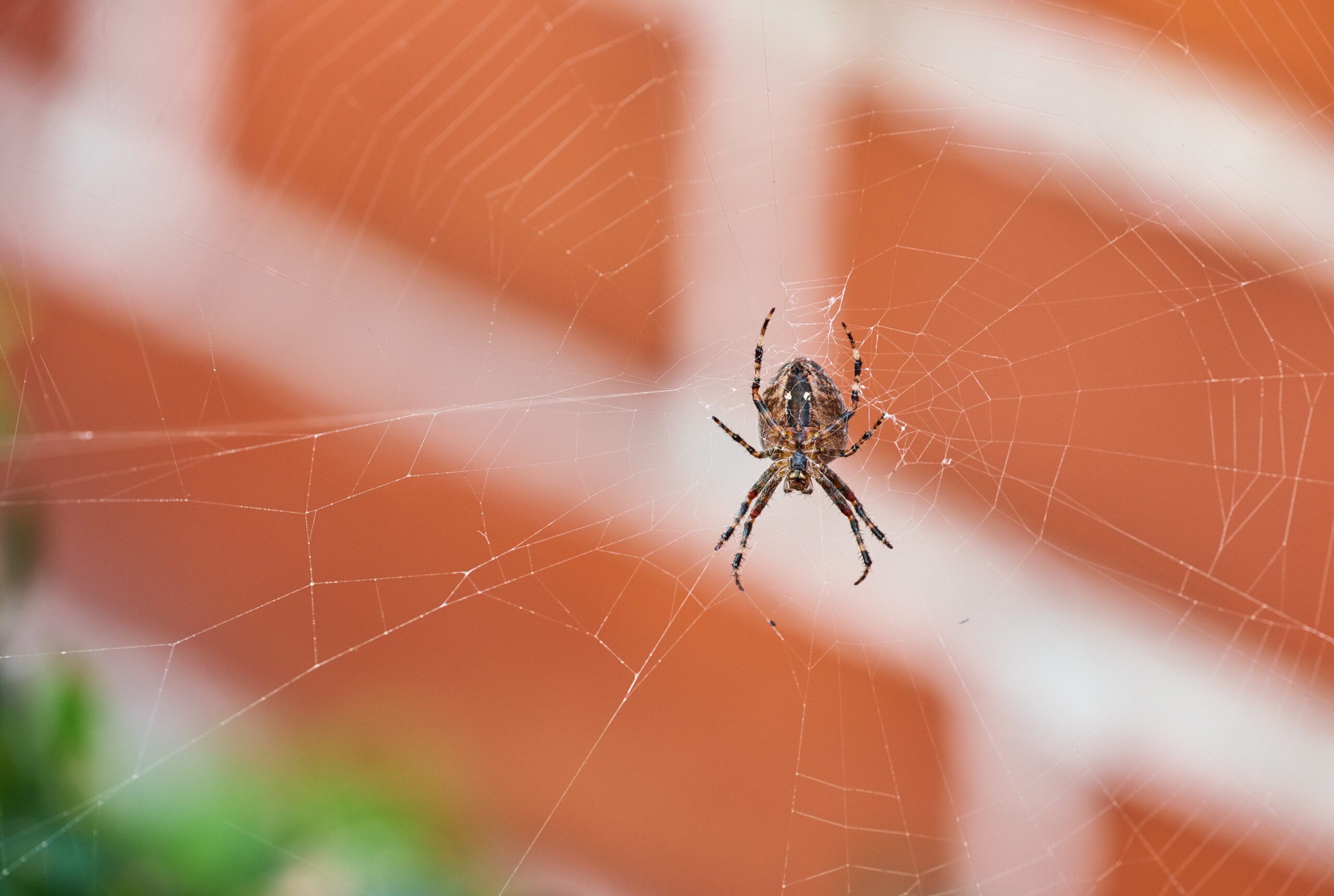
By understanding the role they play as natural predators, you can appreciate their importance in maintaining ecological balance.
Beneficial spiders like orb-weavers and jumping spiders actively hunt and consume a variety of pests, including flies, aphids, and mosquitoes. This predatory behavior reduces the need for chemical pesticides, promoting a healthier environment for both plants and humans.
To foster these spiders in your surroundings, it's crucial to create supportive spider habitats. This can be done by leaving some areas of your garden untended, providing shelter and food sources.
Additionally, avoiding the use of harsh chemicals will encourage these beneficial predators to thrive.
Common Species of Beneficial Spiders
You might be surprised to learn that several common species of beneficial spiders can significantly contribute to pest control in your environment. One such species is the common house spider (Parasteatoda tepidariorum). These web-weaving spiders thrive in various spider habitats, including homes and gardens, where they capture insects like flies and mosquitoes in their intricate webs.
Another beneficial species is the garden spider (Argiope aurantia), known for its striking yellow and black coloration. This spider excels at controlling pest populations in gardens by preying on a wide range of insects, including aphids and caterpillars. Its distinctive orb-shaped web is often a sign of a healthy ecosystem.
The wolf spider (Lycosidae family) is another ally in pest management. Unlike web-weaving spiders, wolf spiders actively hunt down their prey, which includes cockroaches and beetles.
Found in diverse habitats, they play a crucial role in maintaining balance within ecosystems.
Identifying Harmful Spider Species
While many spiders play a beneficial role in controlling pest populations, some species can pose significant threats to humans and pets. Identifying venomous species is crucial for your safety. Start by distinguishing spider families, as different families have distinct characteristics.
The most notorious venomous spiders include the black widow and the brown recluse. Black widows are easily recognized by their glossy black bodies and the red hourglass marking on the abdomen. In contrast, brown recluses are light to dark brown with a violin-shaped marking on their back.
When observing spiders, pay attention to their size and web structure. For example, funnel web spiders create funnel-shaped webs, while orb weavers produce circular, intricate designs.
Remember, not all spiders that look dangerous are venomous, so it's essential to cross-reference visual characteristics with reliable resources.
Additionally, familiarize yourself with local spider species, as regional variations can exist. By knowing the differences between harmless and harmful spiders, you can take proactive steps to protect yourself and your pets from potential encounters with venomous species.
Stay informed and vigilant to ensure a safe environment.
Risks Associated With Bites
Although most spider bites are harmless and often go unnoticed, the risks associated with bites from venomous species can be significant.
When you encounter a venomous spider, the bite symptoms may range from mild irritation to severe reactions, depending on the species and your individual response. Common symptoms include redness, swelling, and pain at the bite site, while some may experience systemic effects like fever, chills, or muscle cramps.
If you suspect a bite from a venomous spider, it's crucial to seek medical attention promptly. Treatment options vary, but they often include pain relief medications, antihistamines for allergic reactions, and in some cases, antivenom for more severe bites.
You should also clean the bite area with soap and water to prevent infection.
Myths and Misconceptions About Spiders
Many people hold onto various myths and misconceptions about spiders, often leading to unnecessary fear and misunderstanding. One common myth is that all spiders are dangerous, but in reality, only a small percentage possess venom that can harm humans. This misconception can stem from cultural beliefs that portray spiders as malevolent creatures, reinforcing fear rather than understanding.
Another myth involves spider symbolism, which varies significantly across cultures. In some traditions, spiders symbolize creativity and patience, while in others, they represent bad luck or deceit. This duality in symbolism highlights how personal experiences and cultural narratives shape our perceptions of these arachnids.
Many people also believe that spiders invade homes to seek out humans, but typically, they enter to escape harsh environmental conditions or to find food. Such myths can lead to unnecessary extermination efforts, ignoring the ecological benefits spiders provide by controlling pest populations.
Coexisting With Spiders Safely
Understanding spiders can lead to a more harmonious relationship with them in our homes and gardens. By recognizing their preferences and spider habitats, you can create a space that encourages beneficial species while minimizing encounters with the harmful ones. Spiders typically thrive in corners, under furniture, and in gardens, where they help control pests.
To coexist safely, it's essential to keep your environment clean and clutter-free. Regularly vacuuming and dusting can discourage spiders from taking up residence.
If you encounter a spider, avoid killing it. Instead, learn about safe removal techniques. Use a jar and a piece of paper to gently trap the spider and relocate it outside, ideally near its natural habitat.
If you must manage a larger population, consider natural deterrents like essential oils or vinegar, which can repel spiders without harming them.
When Is Spider Control Necessary?
Not every spider around your home requires treatment. An occasional spider outdoors or in a garden may actually be helping control flies, mosquitoes, aphids, and other insects.
Spider control becomes more appropriate when spiders repeatedly appear inside your home, webs continue returning after they are removed, you are dealing with a larger population, or you are concerned that a spider may be a harmful species.
If you can safely identify and relocate an occasional harmless spider, professional treatment may not be necessary. But recurring indoor spider activity can be a sign that spiders are finding shelter or a steady food source inside or around the home.
In those situations, professional spider control can help address the spider activity while also looking at the pest conditions that may be attracting them in the first place.
Professional Spider Pest Control
If spiders keep showing up inside your home, webs continue returning, or you’re concerned about a spider you can’t confidently identify, it may be time for professional spider control.
Contact My Pest Pros at 703-665-4455 for help with spider control services throughout the areas we serve in Virginia. Our team can help address unwanted spider activity as well as other pest problems around your home.
If spiders are only part of the problem, learn more about our residential pest control services for ongoing help with household pests.