
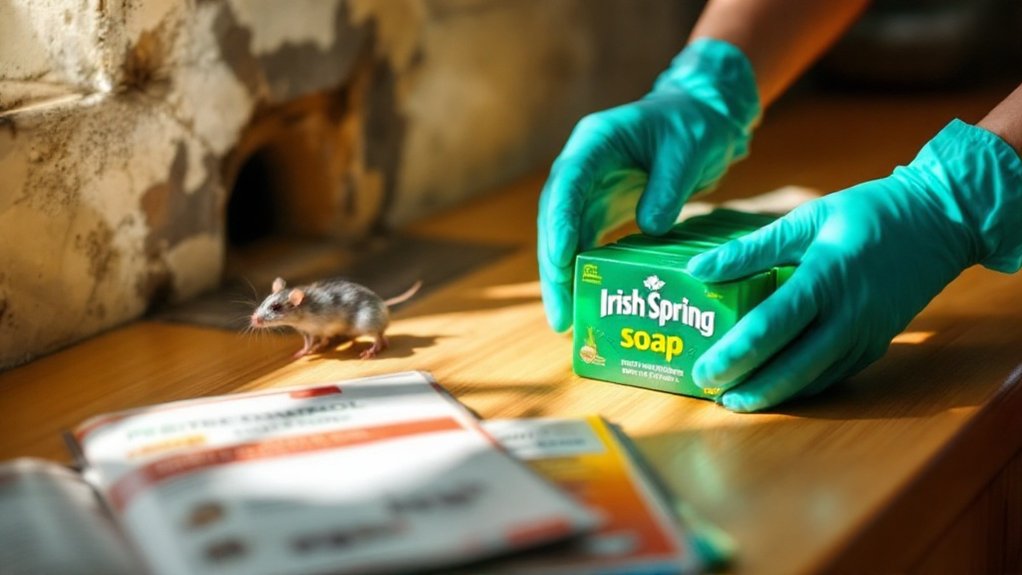
Irish spring soap will can definitely make you smell better, but will Irish Spring deter mice?
It's true that some essential oils such as peppermint can help to deter mice. This DIY approach to mouse control can help, though it's important to understand how they can work and the limitations on using essential oils for pest control. We sometimes receive questions from homeowners dealing with mice wondering whether Irish Spring really deters mice. The reality is kind of. Essential oils for pest control can be effective and help control pests. But there are limitations in the benefits of essential oils for pest management that you need to understand.
Understanding Mice Behavior

Understanding mice behavior is vital for effective mouse control and ultimately deterring them from your home. Mice are primarily nocturnal, which means they're most active at night, seeking food and shelter. Their habits include foraging for grains, seeds, and other food sources, often leaving droppings and urine trails that indicate their presence. Recognizing these signs can help you identify infestations early and take action.
When it comes to nesting preferences, mice typically favor warm, dark, and secluded areas. They'll often choose spaces like attics, basements, or behind appliances, using materials such as paper, fabric, or insulation to create nests. Knowing this can guide you in sealing potential entry points for mice and removing clutter that could serve as nesting materials. Additionally, being aware of common hiding spots can help you effectively target areas for prevention.
You should also be aware that mice can squeeze through openings as small as a quarter of an inch, so thorough mice inspections are important for pest management.
The Scent of Irish Spring
The scent of Irish Spring soap has gained popularity as a natural deterrent for mice. This soap's fresh, strong aroma is believed to clash with the scent preferences of these rodents. Mice rely heavily on their sense of smell to navigate their environment, identify food sources, and avoid predators. And, if you're old enough to remember, who doesn't love Irish Spring commercials?
When they encounter a scent that's foreign or overpowering, like that of Irish Spring, it may prompt them to steer clear of the area. Research suggests that certain scents can influence animal behavior. The soap's distinctive fragrance could disrupt the pheromone trails that mice follow, diminishing their comfort in your residence.
While the soap's effectiveness as a sole solution may vary, it's often seen as part of an integrated approach to pest control. Using Irish Spring as a deterrent may create an unpleasant environment for mice, encouraging them to find a more suitable habitat.
You can enhance the overall effectiveness by combining this method with other strategies. Ultimately, understanding the scent preferences of mice helps you make informed decisions about how to manage pest issues in your dwelling.
How to Use Irish Spring

Using Irish Spring soap effectively as a mouse deterrent involves strategically placing the soap in areas where you suspect rodent activity.
Begin by identifying entry points and common nesting areas, such as basements, attics, and behind appliances. The soap's strong scent can disrupt mice's olfactory senses, making them less likely to inhabit these spaces.
To maximize the soap effectiveness, cut the bar into smaller pieces. Place these pieces in locations such as cabinets, under sinks, or near suspected entry points.
You can also create sachets using cheesecloth to hold the soap, enhancing its scent release while keeping your space tidy.
Reapply the soap every few weeks, as the fragrance will diminish over time. Monitor the areas where you've placed the soap and look for signs of mouse activity.
If you still notice signs of mice, consider adjusting the placement or adding more soap pieces.
Combining this method with other natural deterrents, like peppermint oil, can maximize results. Explore additional strategies to guarantee your home remains pest-free and well-protected against infestations.
Key Takeaways
- Irish Spring soap's scent disrupts mice's navigation and food identification, making it an effective natural deterrent.
- Cut the soap into smaller pieces and place them in areas with suspected rodent activity for enhanced scent distribution.
- Use cheesecloth sachets to contain the soap while allowing the fragrance to escape, and refresh every few weeks.
- Position the soap near entry points, like doors and windows, as well as in dark, cluttered spaces to deter nesting.
- Regularly check and replace the soap to maintain its strong scent and effectiveness against mouse infestations.
Placement Strategies for Soap
Effective placement strategies for soap can considerably enhance its deterrent qualities against mice. To maximize the effectiveness of your soap placement, focus on strategic locations where mice are likely to enter or hide.
Start by placing bars of Irish Spring soap near entry points, such as gaps around doors, windows, and vents. These areas are common paths for mice, so positioning the soap here can create a barrier they're reluctant to cross.
Additionally, consider placing soap in corners of your home, especially in dark or cluttered spaces like basements, attics, or garages. Mice often seek shelter in these areas, and having soap nearby can discourage them from settling in.
You might also want to place soap inside cabinets and under sinks, as these are popular hiding spots.
Regularly check and replace the soap to maintain its scent and effectiveness.
Combining With Other Deterrents

Combining multiple deterrents can greatly enhance your efforts to keep mice at bay. While Irish Spring soap is a popular choice, its effectiveness can be notably improved when used alongside other deterrents. For example, consider soap combinations with peppermint oil or cayenne pepper. These natural repellents create a powerful barrier, making your space less inviting to mice.
Integrate essential oils by soaking cotton balls in peppermint oil and placing them near suspected entry points. This method works well in tandem with soap, as the strong scent of both can confuse and deter rodents.
You might also try using ultrasonic repellents, which emit high-frequency sounds that are unpleasant to mice but inaudible to humans. When these technologies are paired with soap, you increase your deterrent effectiveness.
Don't forget about physical barriers, like sealing cracks and holes. By combining soap with these strategies, you create a thorough approach that addresses multiple aspects of rodent control.
Regular Maintenance Tips
To maintain an effective mouse control barrier against mice, regular upkeep of your home is essential. Start by implementing preventive measures for rodent control that focus on sealing entry points. Inspect your foundation, windows, and doors for gaps, and use weather stripping or caulk to eliminate potential access areas.
Next, prioritize cleanliness practices. Mice are drawn to food sources, so make sure your kitchen and dining areas are free from crumbs and spills. Store food in airtight containers and promptly dispose of garbage. Regularly vacuum and mop to remove any traces of food that might attract unwanted visitors.
Additionally, declutter your home. Mice love hiding in piles of clutter, so keep storage areas organized and minimize potential nesting sites. Regularly inspect your basement, garage, and attic to make certain they remain tidy and mouse-free.
Finally, maintain your yard. Trim bushes and shrubs away from your home and keep firewood stacked away from the foundation. Implementing these strategies can significantly reduce the risk of infestations, particularly from common household pests like mice and rats, which are known to carry numerous pathogens.
Signs of Mouse Activity
Often, the first signs of mouse activity can go unnoticed until they escalate into a larger problem. To protect your home, you need to be vigilant and recognize these indicators early. One of the most common signs is mouse droppings, which resemble small, dark grains of rice. You might find them near food sources, along walls, or in corners. If you notice droppings, it's a clear signal that mice are present.
Another key sign is gnaw marks. Mice have strong teeth, and they often chew on wood, plastic, or even electrical wires. Look for small, irregular bite marks along baseboards, cabinets, or furniture. These marks indicate that mice are actively searching for food or nesting materials.
Additionally, listen for unusual sounds, such as scratching or scurrying noises at night. You might also see nests made of shredded paper, fabric, or insulation tucked away in hidden areas. Remember that common rodents like house mice and Norway rats are often found in residential areas, making it essential to identify these signs promptly.
Being aware of these signs will help you take action before a minor issue turns into a significant infestation. By staying proactive, you can maintain a mouse-free environment and guarantee your home remains a safe and welcoming space for you and your family.
Additional Natural Remedies
When it comes to keeping mice at bay, exploring additional natural remedies can greatly enhance your efforts. One effective option is using essential oils, particularly peppermint oil. Mice are known to dislike strong scents, and the invigorating aroma of peppermint can deter them from invading your space.
Simply soak cotton balls in peppermint oil and place them strategically around entry points and areas where you've noticed mouse activity.
Another remedy involves peppermint tea. You can brew some peppermint tea, let it cool, and then use the leftover tea bags in places where mice are a concern. The scent from the tea bags can help repel them without the use of harsh chemicals.
Additionally, consider using a mixture of water and vinegar. Spraying this around your home can disrupt the pheromone trails that mice use to navigate.
When to Seek Professional Mouse Control Help
Determining the right time to seek professional help for a mouse infestation is essential for effective pest management. If you notice signs like droppings, gnawed materials, or strange noises, it's vital to act promptly.
While DIY methods can work for minor issues, a significant infestation often requires professional extermination. Consider reaching out for rodent control if you've tried multiple home remedies without success.
If you're finding nests or multiple sightings, this is a clear indication that the problem has escalated beyond manageable levels. Professionals have access to advanced techniques and products that can tackle infestations more effectively than standard traps or natural deterrents.
Additionally, if you're concerned about the health risks associated with mice—such as disease transmission or allergies—don't hesitate to call in the experts. They can't only eliminate the current problem but also provide valuable insights into preventing future infestations. Furthermore, professionals can implement integrated pest management strategies to address the root causes of infestations effectively.
Contact My Pest Pros for Professional Mouse Pest Management
Incorporating Irish Spring soap as a mouse deterrent can be an effective strategy when combined with other preventative measures. By understanding mice behavior and strategically placing the soap, you can create a less inviting environment for these pests. Regularly check for signs of activity and maintain your deterrent methods to guarantee lasting results. If you continue to face issues, don't hesitate to seek professional help. Contact My Pest Pros at 571-512-5817 for expert pest control assistance and protect your home from unwelcome invaders!