

Termites are small insects with a massive potential for destruction, particularly in the homes of Virginia residents. These pests are infamous for their ability to consume wood, which can lead to severe structural damage over time. In Virginia, where the climate provides a perfect environment for termites, understanding their seasonal behaviors and implementing effective termite treatment strategies is vital for homeowners. This blog will explore how termite behavior changes with the seasons, focusing on summer activity, and providing insights into effective prevention methods.
Understanding Seasonal Termite Activity And Termite Behavior Throughout the Year
Termites don't take a vacation or hibernate in the winter. Termites are active year-round, but their behavior and visibility can vary with the seasons. There are several types of termites, but the most common in Virginia is the subterranean termite. These termites live in large colonies underground and construct mud tubes to travel from their nests to food sources like the wooden structures in your home. Understanding how termites behave in different seasons can help homeowners identify potential threats and take proactive measures to protect their homes.
Spring Termites: The Swarming Season
Spring is a critical time for termites as it marks the beginning of their swarming season. As temperatures rise and humidity levels increase, winged termites, known as swarmers, emerge from their colonies in search of mates and new locations to establish colonies. Swarming typically occurs on warm, sunny days following rain. During this time, homeowners should be especially vigilant for signs of termite activity, such as discarded wings near windows and doors, which indicate the presence of swarmers.
Preventive Termite Measures:
- Conduct a Termite Inspection: Spring is an ideal time for a professional termite inspection. A thorough inspection can identify potential infestations and assess the risk level of your property.
- Seal Entry Points: Swarmers are attracted to light and may enter homes through cracks and crevices. Sealing gaps around windows, doors, and the foundation can help prevent entry.
Termites in Summer: The Peak of Seasonal Termite Activity
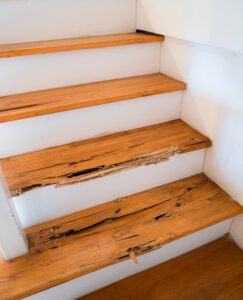
Summer in Virginia is peak period of the seasonal termite activity. Warm temperatures and high humidity create the perfect conditions for termite activity. During this time, termites are busy feeding and expanding their colonies. Subterranean termites, in particular, are highly active, as they require moisture to survive. Homeowners are more likely to notice signs of termite damage in the summer due to the increased activity.
Signs of Termite Infestation:
- Mud Tubes: Subterranean termites construct mud tubes as protective tunnels from the ground to their food source. These tubes are typically found on foundations, walls, or other wooden structures.
- Damaged Wood: Termites eat wood from the inside out, creating hollow sections. Wood that sounds hollow when tapped or exhibits blistering may be infested.
- Frass: Drywood termites produce frass, a wood-colored droppings, that resembles sawdust or tiny pellets.
Preventive Termite Measures:
- Remove Moisture Sources: Fix leaks and ensure proper drainage around your home to reduce moisture levels. Redirect downspouts and gutters away from the foundation to prevent water accumulation.
- Store Wood Properly: Keep firewood, lumber, and other wooden materials at least 20 feet away from your home to minimize the risk of termites finding their way inside.
- Maintain a Barrier: Create a physical barrier between your home’s foundation and the soil by clearing away mulch, leaves, and debris.
Termites in Fall: Preparing for Winter
In the fall, termite activity begins to decrease as temperatures drop, but these pests remain active and continue to cause damage. During this time, termites may move deeper underground to stay warm. Fall is a great time to reinforce your home’s defenses against termites and prepare for the coming winter.
Preventive Termite Measures:
- Inspect and Repair: Conduct a thorough inspection of your home’s exterior for signs of termite damage. Repair any damaged wood or structures to prevent further infestations.
- Seal Cracks and Gaps: Ensure that your home is properly sealed to prevent termites from entering through small cracks and crevices.
- Monitor Moisture Levels: Maintain proper ventilation in crawl spaces, attics, and basements to reduce humidity levels.
Are Termites Active in Winter: Termite Activity Below the Surface
While termites are less visible during the winter months, they are not dormant. Instead, they move deeper into the ground to avoid cold temperatures. Termites continue to feed and maintain their colonies, making it important to keep preventive measures in place year-round.
Preventive Termite Measures:
- Schedule a Professional Inspection: Winter is an ideal time to schedule a professional termite inspection to ensure that your home remains termite-free.
- Maintain Preventative Treatments: If you have existing termite protection measures in place, such as baiting systems or soil treatments, ensure they are properly maintained and monitored.
The Benefits of Preventative Termite Protection
Investing in preventative termite protection offers several benefits that can save homeowners from significant headaches and expenses. Here are some key advantages:
- Peace of Mind: Knowing that your home is protected from termites provides peace of mind. You can relax knowing that your property is safe from potential infestations and damage.
- Cost Savings: Preventative termite treatment is often more cost-effective than repairing damage caused by an infestation. By addressing the problem early, you can avoid costly repairs and structural damage.
- Long-Term Protection: Termite protection plans offer long-term solutions to keep your home safe from termites year-round. Professional pest control services monitor and adjust treatments as needed to ensure continued protection.
- Professional Expertise: Pest management professionals have the knowledge and experience to identify and address termite issues effectively. They use advanced techniques and tools to detect and eliminate termites, providing comprehensive protection for your home.
Why Choose My Pest Pros for a Termite Treatment For Your Virginia Homes
When it comes to termite treatment and protection, My Pest Pros is your trusted partner in Virginia. Our team of experienced professionals understand seasonal termite activity and the signs to look for. We use the latest technology and termite treatment methods to provide effective termite control and prevention. We understand the unique challenges homeowners face in Virginia and offer tailored solutions to meet your needs. Some. people mistakenly think that their homes are safe from termites. They may have a brick home or a condo building constructed of concrete. However, we have seen and treated termites on the 7th floor of an apartment building in Dupont Circle in Washington, D.C. We have also treated office brick and concrete office buildings for termites in Falls Church and office buildings in Vienna that had termites. These are examples of 'non-traditional' structures that people often incorrectly think won't be infested by termites.
Our Comprehensive Pest Control Services Include:
- Thorough Inspections: Our experts perform detailed inspections of your property to identify any signs of termite activity and assess the risk level.
- Customized Treatment Plans: We create customized treatment plans to target the specific needs of your home, providing the best protection possible.
- Preventative Measures: We offer preventative measures to keep termites at bay, including baiting systems, soil treatments, and physical barriers.
- Ongoing Monitoring: Our pest management plans include ongoing monitoring to ensure your home remains termite-free and protected year-round.
How Does Seasonal Termite Activity in Virginia Affect Termite Presence in Winter?
Seasonal termite activity in northern virginia winter greatly diminishes, as cold temperatures drive termites deeper into the ground for protection. This reduced surface activity leads to a lower likelihood of infestations during winter. However, homeowners should remain vigilant, as termites can still pose a threat if conditions warm unexpectedly.
How Does Seasonal Termite Activity Impact the Risk of Damage to Homes in Northern Virginia?
Seasonal termite activity in Northern Virginia significantly impacts the risk of damage to homes. During warmer months, termites are more active, increasing the likelihood of infestations. Homeowners should be diligent in understanding termite risks in your home to prevent costly damage and ensure effective preventative measures are in place year-round.
Call My Pest Pros Today For Termite Protection in Virginia
Don’t wait until termites cause significant damage to your home. Protect your investment with professional termite treatment and prevention from My Pest Pros. Call us today at 703-665-4455 to schedule a termite inspection and learn more about our comprehensive pest control services. Your home is one of your most valuable assets, and keeping it safe from termites is essential. With My Pest Pros by your side, you can rest easy knowing that your home is protected year-round. Don’t let termites take a bite out of your peace of mind—contact us now for expert termite exterminator services and more!