
You likely have silverfish in your home due to damp, dark areas that they thrive in, such as basements or bathrooms. These pests are drawn to moisture problems and food sources like paper, clothing, and hidden clutter. If you're seeing silverfish, it's a sign that you might have underlying issues to address. Keeping your home dry and organized can help, and there are effective strategies to manage them further. There's more information available to help you tackle this problem.
Key Takeaways
- Silverfish thrive in dark, damp areas, often indicating a moisture problem in your home.
- Poor ventilation and leaking pipes create ideal conditions for silverfish to infest.
- Cluttered spaces and cracks in walls or floors provide hiding spots and entry points for silverfish.
- Silverfish are attracted to food sources like paper, cardboard, and natural fiber clothing.
- High humidity levels can contribute to silverfish presence, making bathrooms, kitchens, and basements prime locations for infestations.
Understanding Silverfish: An Overview

Silverfish are small, wingless insects that can be a nuisance in your home. Understanding their behavior is essential to managing them effectively. These nocturnal creatures thrive in dark, damp areas, often seeking out paper and starchy materials for food. You might've heard some silverfish myths, like believing these pests can harm you or that they damage everything in sight. In reality, while they can nibble on your books and clothes, they're not dangerous to humans. Their presence often indicates a moisture problem in your home, so it's wise to address any leaks or humidity issues. Silverfish are attracted to clutter, so keeping your space organized can help deter them. Additionally, moisture problems in your home can create favorable conditions for these pests, so taking preventative measures is crucial. By debunking myths and recognizing their behavior, you can take steps to minimize their impact and keep your home comfortable and pest-free.
Preferred Habitats of Silverfish
While you might not notice them at first, silverfish prefer dark, damp environments that provide the moisture they crave. These pests thrive in silverfish habitats like basements, bathrooms, and kitchens, where humidity often runs high. You'll likely find them hiding behind appliances, under sinks, or in corners where moisture levels are elevated.
If your home has poor ventilation, it creates an ideal breeding ground for silverfish. They're drawn to areas with leaking pipes, humidity from showers, or damp laundry. Even your bookshelves could become a refuge if they're situated in a humid room.
To keep silverfish at bay, it's crucial to reduce moisture levels throughout your home. Use dehumidifiers in high-humidity areas, fix leaks promptly, and guarantee proper ventilation. By targeting these preferred habitats, you can make your home less inviting for these pesky insects.
Common Food Sources for Silverfish

These tiny pests have a voracious appetite for a variety of materials, making your home an all-you-can-eat buffet. Silverfish love to munch on anything that contains starch or cellulose. This means they often feast on book pages, especially older ones that have been stored in damp areas. The moisture not only attracts them but also creates the perfect environment for mold and mildew, which silverfish also enjoy.
In addition to books, they may target wallpaper, cardboard, and even clothing made from natural fibers. If you've got old newspapers or other paper products lying around, you're likely providing a feast for these critters. Keep in mind that silverfish can also thrive on food crumbs and spills, so don't forget to maintain cleanliness in your kitchen. By being mindful of these common food sources, you can help reduce the likelihood of silverfish making themselves at home in yours.
Signs of a Silverfish Infestation
Have you noticed unusual signs around your home that could indicate a silverfish infestation? Pay attention to their unique behavior and the symptoms that come with it. Silverfish are nocturnal, so you might spot them darting away when you turn on the lights at night. Look for small, silver or grayish insects, often resembling teardrops.
You may also find yellowish stains or small holes in your books, wallpaper, or clothing, which are clear infestation symptoms. Silverfish leave behind tiny, pepper-like droppings, often found near their hiding spots. If you see shed skins, that's a sign they're actively reproducing in your space.
Being aware of these signs can help you catch an infestation early. If you notice these behaviors or symptoms, it's time to take action and address the silverfish problem before it escalates.
Factors That Attract Silverfish to Your Home

Several factors can attract silverfish to your home, making it essential to understand what draws them in. One of the primary factors is humidity levels. Silverfish thrive in damp environments, so if your home has high humidity, you're likely providing a perfect breeding ground for them. Keep an eye on areas like bathrooms, kitchens, and basements, where moisture can accumulate.
Another significant factor is cluttered spaces. Silverfish love hiding in dark, cluttered areas where they can find food and shelter. Piles of paper, cardboard boxes, and unused clothing can serve as both hiding spots and food sources. Reducing clutter not only makes your space look better but also minimizes the risk of attracting these pests. By managing humidity and decluttering, you can create an environment that's less inviting for silverfish, helping to keep your home pest-free.
Moisture control helps, but recurring activity may require silverfish pest control. For identification, prevention steps, and answers to common silverfish questions, use the silverfish guide.
The Life Cycle of Silverfish
To understand silverfish in your home, it's important to know their life cycle. These insects go through several development stages, from egg to adult, and their reproduction habits can lead to infestations. You'll also find that their lifespan can surprise you, as they can live for several years under the right conditions.
Silverfish Development Stages
Understanding the silverfish life cycle is essential for effective pest management in your home. Silverfish undergo three main development stages: egg, nymph, and adult. The eggs are tiny, often hidden in cracks and crevices, making them hard to spot. Once they hatch, nymphs emerge, resembling miniature adults but lacking the characteristic silverfish anatomy, such as the long antennae and scales. During this stage, silverfish behavior includes seeking dark, moist areas for food, primarily starches and sugars. Nymphs can take several months to mature into adults, where they develop their full silver color and distinctive shape. Recognizing these stages helps you identify and tackle silverfish infestations effectively, ensuring a more comfortable living environment.
Reproduction and Lifespan
While you might not often see silverfish during your daily routine, their reproduction habits can lead to a rapid increase in their population within your home. Silverfish typically engage in silverfish mating, where males perform a courtship dance to attract females. After mating, the female lays around 30 to 100 silverfish eggs in hidden, moist areas, which hatch within two weeks.
Here's a quick overview of their reproductive process:
- Mating occurs in dark, humid environments.
- Females can lay multiple batches of eggs.
- Eggs take about 7 to 14 days to hatch.
- Silverfish nymphs resemble adults but are smaller.
- Lifespan can range from 2 to 8 years, depending on conditions.
Understanding this cycle helps you manage their presence effectively.
Effective Prevention Strategies

Implementing effective prevention strategies can greatly reduce the chances of silverfish infesting your home. Start by focusing on preventive measures that target their preferred environments. Keep your home dry and well-ventilated; silverfish thrive in humid areas. Regularly check for leaks and fix any plumbing issues to minimize moisture.
Incorporate home maintenance practices by sealing cracks and crevices around windows, doors, and foundations. This will help block their entry points. Declutter your home, especially in storage areas, as silverfish love hiding in cardboard boxes and paper products.
Additionally, store food in airtight containers to eliminate potential food sources. Regularly vacuum and dust, particularly in dark, damp corners. By taking these steps, you create an environment that's less inviting for silverfish, making it much easier to keep them at bay.
Safe and Effective Elimination Methods
Even with strong prevention strategies in place, you might still find silverfish lurking in your home. Fortunately, there are safe and effective elimination methods you can try. Start by using natural remedies that can help get rid of these pesky insects without harsh chemicals.
When to Call a Pest Control Professional
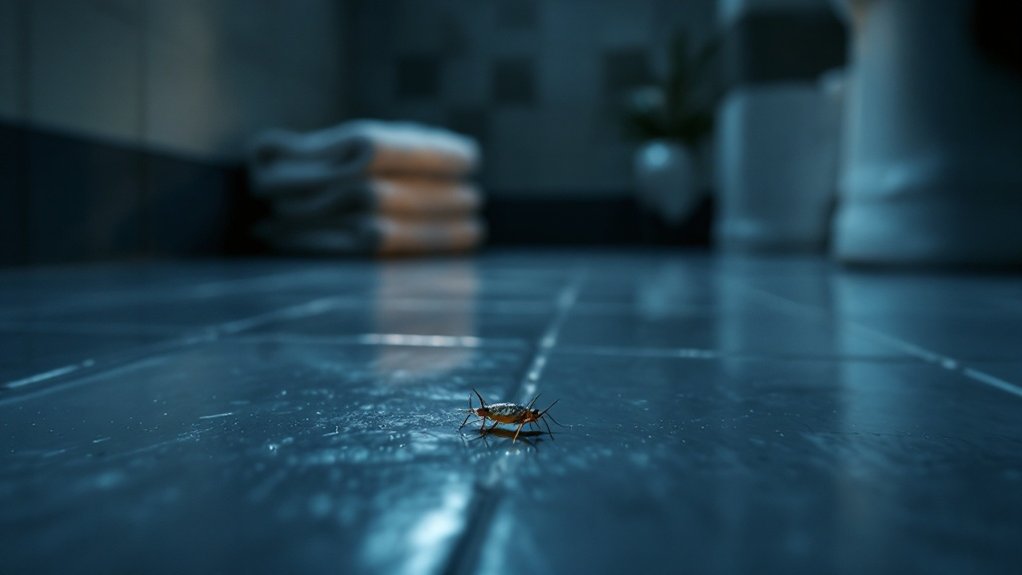
Sometimes, despite your best efforts with natural remedies, silverfish infestations can become overwhelming. If you notice a sudden increase in their numbers or find them in unusual places, it's time to intervene. Look for signs of urgency, like damaged books or paper, as these pests can cause significant harm to your belongings.
If you've tried multiple DIY methods without success, don't hesitate to call a pest control professional. They have the expertise and tools to effectively tackle silverfish infestations that are beyond your control. Additionally, if you see silverfish in high-traffic areas or near food sources, act quickly to prevent further spread.
Silverfish Pest Control Near Me: Contact My Pest Pros
To sum up, understanding silverfish and their habits can help you keep them out of your home. By identifying their preferred habitats and food sources, you can take effective prevention measures. If you notice signs of an infestation, act quickly to eliminate them using safe methods. For the best results, contact My Pest Pros to schedule a pest treatment. Remember, if the problem persists, don't hesitate to call a pest control professional. You can reach them at 703-665-4455. With the right strategies and expert help, you can maintain a silverfish-free environment and protect your home from these pesky insects.