
Key Takeaways: Are Ants Pests or Beneficial Insects?
- Ants can be considered pests when they invade homes and gardens in search of food and moisture.
- Certain ant species can damage property, contaminate food, and disrupt daily life, leading to pest status.
- However, ants play crucial ecological roles, such as aiding in soil health and nutrient cycling.
- Their natural pest control abilities can help manage harmful insect populations in gardens and ecosystems.
- The perception of ants as pests often depends on their impact on human activities and environments.
The Ecological Importance of Ants

Ant Behavior and Social Structure
Understanding ant behavior and social structure is essential for comprehending their role as pests. You'll observe that their colonies exhibit complex organization, where each member fulfills specific roles, and communication methods play an important role in their daily activities. Additionally, their foraging strategies and resource management techniques demonstrate their adaptability and efficiency in various environments.Colony Organization and Roles
When you observe an ant colony, you're witnessing a highly structured society where every individual has a specific role that contributes to the survival and efficiency of the group. This intricate organization revolves around a caste system, with each caste embodying distinct responsibilities.- Queen roles involve reproduction and ensuring the colony's growth.
- Worker responsibilities include foraging duties, nest maintenance, and caring for the young.
- Soldier functions protect the colony from threats and manage conflicts.
- The colony hierarchy is essential for environmental adaptation, allowing ants to thrive in diverse habitats.
Communication Methods Among Ants
Ant colonies thrive not just on their organized structure but also on their sophisticated communication methods. One primary means is pheromone communication, where ants release chemical signals to convey messages about food sources, danger, or colony status. When you observe ants following a trail, they're likely responding to these pheromones. Additionally, sound signaling plays a role, particularly in situations requiring immediate attention. Ants produce vibrations or stridulation sounds to alert others to threats or coordinate activities. Together, these methods create a complex language that fosters cooperation and social cohesion within the colony. By understanding these communication techniques, you gain insight into the intricate lives of ants and their remarkable ability to work together as a unified community.Foraging and Resource Management
Foraging and resource management are essential components of an ant colony's survival strategy. You'll find that ant foraging behavior not only guarantees food availability but also influences social structure and resource allocation. Ants communicate effectively to optimize foraging routes and share information about resource locations. This collective approach enhances efficiency and minimizes competition within the colony.- Ants utilize pheromone trails to guide fellow workers.
- Resource allocation is dynamically adjusted based on availability.
- Different species exhibit specialized foraging techniques.
- Worker ants often display roles based on size and strength.
Types of Ants and Their Habitats
Although they may seem small, various types of ants occupy diverse habitats, each adapted to their specific environments. Understanding these ant species can enhance your appreciation of their ecological roles. For instance, carpenter ants thrive in wooded areas, constructing nests in decaying wood. Meanwhile, fire ants prefer open, sunny spaces, creating mounds in lawns and fields. Some species, like leafcutter ants, excel in tropical climates, forming complex relationships with fungi. This habitat diversity showcases their adaptability and importance in ecosystems. You might find pavement ants in urban settings, exploiting cracks in sidewalks, while sugar ants are often spotted in residential areas, drawn to food sources. By recognizing these patterns, you can better understand the impact of ants on your surroundings, whether as beneficial organisms or potential nuisances. Exploring the habitats of different ant species reveals a fascinating world that contributes to our environment's balance.Ants as Beneficial Insects

- Soil aeration: Ants tunnel through the ground, allowing air and water to penetrate deeper layers.
- Nutrient recycling: They break down organic matter, enriching the soil with essential nutrients.
- Pest control: Certain ant species prey on harmful insects, helping to regulate pest populations naturally.
- Seed dispersal: Ants transport seeds to their nests, aiding in plant propagation and biodiversity.
Common Ant Species That Become Pests
Ant infestations can pose significant challenges, particularly when it comes to common species that invade homes and gardens. Understanding ant species identification is vital for effective pest management. For instance, the odorous house ant emits a distinct smell when crushed, often leading you to mistake it for a different species. Carpenter ants, on the other hand, can cause structural damage by hollowing out wood for nesting. Implementing pest prevention strategies is essential in combating these invasions. Keeping food sealed, maintaining cleanliness, and sealing entry points are effective measures. Regularly inspecting your property can help you catch infestations early, allowing for prompt action. By recognizing the specific ant species in your environment, you can tailor your prevention efforts more effectively. This awareness not only fosters a sense of belonging within your community but also empowers you to maintain a harmonious living space free from unwanted pests. Additionally, seeking assistance from a professional pest control service can greatly enhance your efforts in managing ant populations effectively.The Role of Ants in Agriculture
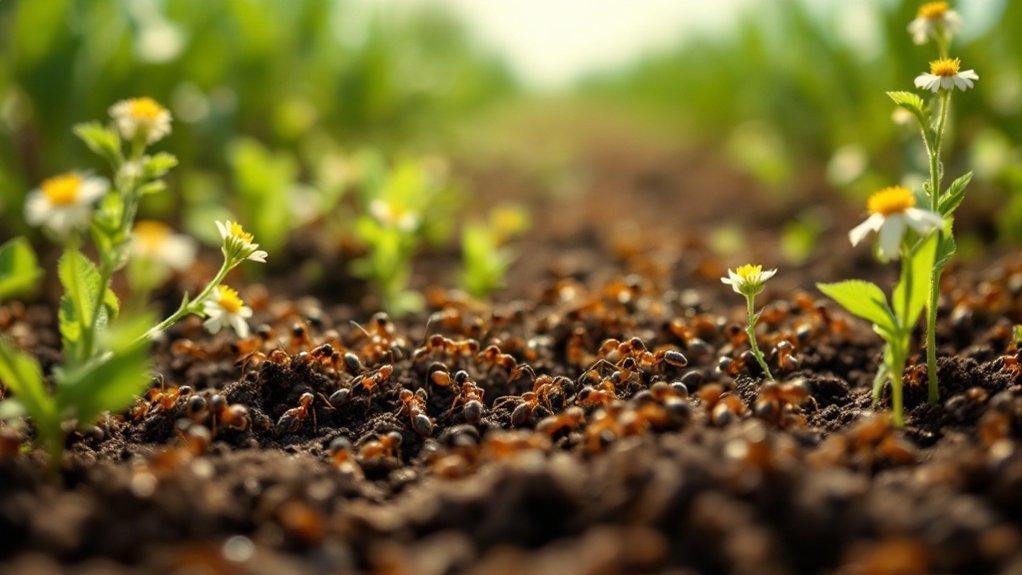
- Soil aeration: Their tunneling improves water infiltration and root growth.
- Seed dispersal: Many ants facilitate the spread of plant seeds, aiding in biodiversity.
- Pest control: They can regulate populations of other harmful insects.
- Ant farming: Some species cultivate fungi, fostering a unique agricultural system within ecosystems.
How Ants Enter Homes and Gardens
Understanding the beneficial roles ants play in agriculture can lead to a greater awareness of how easily they can become pests in our homes and gardens. Ants typically enter through small entry points, such as cracks in walls, gaps around windows, or openings in foundations. Once inside, they often seek out attractant sources, including food remnants, spills, and even pet food. These attractants can create a pathway for entire colonies, as worker ants communicate and lead others to these resources. Additionally, moisture can draw ants in, especially in areas like kitchens and bathrooms. Your garden isn't safe either; ants can invade from the soil, particularly when their natural habitats are disrupted. By understanding their entry behaviors, you can develop a better awareness of potential infestations and the factors that contribute to their presence in your living spaces.Pest Control Methods for Ant Infestations
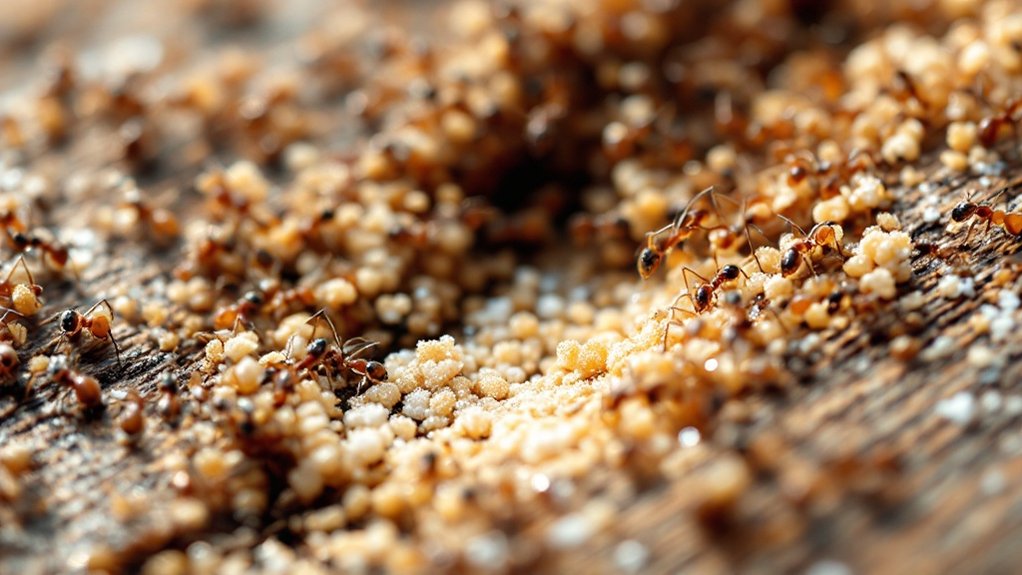
What You Can Do To Control Ants
The most effective thing you can to do control ants is maintain a clean home and yard. Keeping bushes and trees trimmed, grass and mulch away from the home, and potential gaps sealed will all help to make your home less hospitable. Additionally, regularly inspecting your home for any signs of ant activity is crucial in preventing infestations. Using bait stations or natural deterrents can also be part of effective methods for ant control, ensuring that any invaders are effectively addressed before they establish a colony. Consider consulting with professional pest control services if the problem persists, as they can provide tailored solutions to enhance your efforts. Kitchens and bathrooms are common areas for ant infestations. These areas have plenty of food and water to attract ants. Keeping these areas clean, preventing leaks, caulking, and reducing moisture levels will help deter ants.Balancing Ants and Human Environments
Although ants play essential roles in ecosystems, their presence in human environments often leads to conflicts that require careful management. In urban ecosystems, striking a balance between ant coexistence and human comfort is vital. By understanding their behavior and ecological contributions, you can mitigate issues while appreciating their presence. Here are some strategies to reflect upon:- Identify ant species to understand their role in the ecosystem.
- Use natural deterrents to redirect ant activity away from homes.
- Promote biodiversity to support predator species that control ant populations.
- Educate your community about the benefits of ants in soil health and pest control.
Are Ants in Virginia Considered Pests Due to Their Biting Behavior?
Ants in virginia behavior can vary significantly, making some species a nuisance for homeowners. While many ants are harmless, certain types can bite and cause discomfort. Their aggressive nature and tendency to invade homes in search of food often lead to their classification as pests, prompting individuals to seek pest control solutions.