
Mastering home pest control starts with understanding the types of pests commonly infesting your space, such as mice, ants, and roaches. Identify signs of infestations, like droppings or strange odors. Prevention techniques include sealing entry points, maintaining cleanliness, and using airtight food containers. Natural remedies like peppermint oil can repel insects, while chemical solutions should be applied carefully following safety guidelines. Regular inspections and seasonal strategies are essential for maintaining a pest-free environment. If you're facing persistent issues, knowing when to call in pest control professionals can save you time and hassle. There's much more to explore on effective pest management techniques.
Understanding Common Pests

Understanding common pests is essential for effective home pest control. Recognizing pest behavior and their preferred habitats will help you mitigate infestations.
For instance, mice and rats are drawn to food sources and nesting materials, often infiltrating kitchens and basements. These rodents can carry diseases, making sanitation a priority; regularly cleaning and sealing entry points can greatly reduce their presence. Rodents are known carriers of diseases such as hantavirus and leptospirosis, highlighting the importance of swift action against infestations.
Insects like ants and cockroaches also thrive in household environments. Ants often invade kitchens searching for food, while cockroaches prefer dark, damp areas, emerging primarily at night.
Bed bugs, on the other hand, hide in bedding and furniture, making them particularly challenging to detect. Termites, which consume wood, can cause extensive structural damage if not addressed promptly.
Spiders, though often less harmful, can indicate other pest issues, as they rely on insects for food. Understanding the specific habitats and behaviors of these pests enables you to implement targeted control measures.
Identifying Pest Infestations
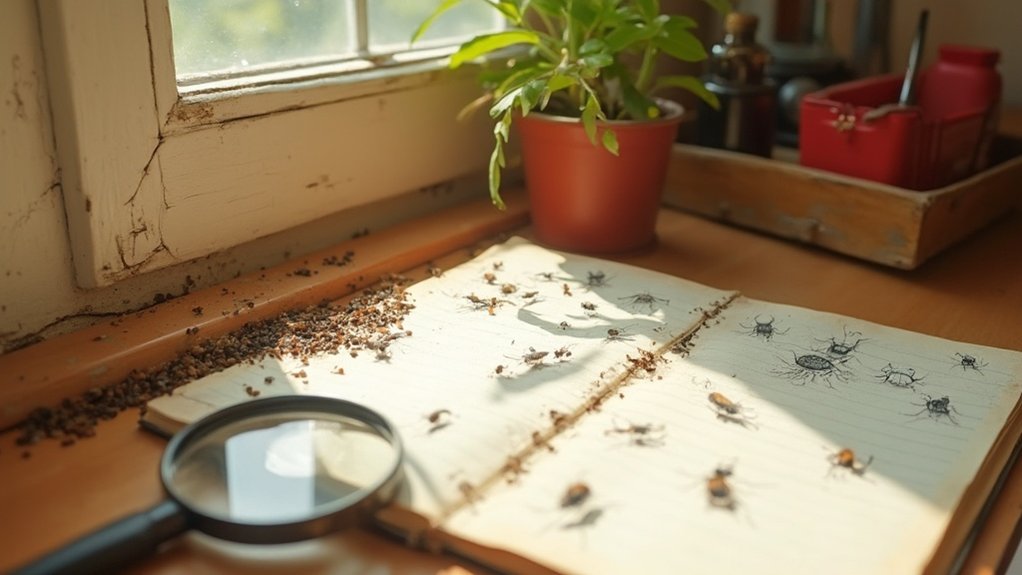
When it comes to effective pest management, identifying infestations early is essential. Start by observing visual signs, like droppings or fecal matter, which often indicate pest behavior. Look for grease and dirt buildup along baseboards and windowsills, as these can signal active pests.
Gnaw marks on wood or food packaging frequently point to rodent infestations, while damaged fabrics suggest insect activity, particularly from clothes moths or carpet beetles. Regular inspections are necessary to identify signs of rotting wood, which can attract pests like squirrels and carpenter ants.
Pay attention to unusual smells and noises. Oily, musty odors from roaches or ammonia-like scents from rats can indicate infestations. Scratching or scurrying sounds at night often reveal the presence of rodents. Increased activity, such as ants marching in lines, suggests breeding and territorial expansion.
Nesting materials also provide clues. Shredded paper or fabric indicates rodent nests, while damaged materials can signal specific pests. Use monitoring devices, like traps and cameras, to confirm infestations.
Regularly inspect hidden areas, such as attics or behind appliances, for telltale signs. Remember, recognizing seasonal signs of pest activity can help you stay ahead of potential infestations.
Prevention Techniques

Implementing effective prevention techniques is essential in safeguarding your home from pest infestations.
Start with exterior maintenance by sealing and blocking entry points. Use acrylic latex caulk to fill gaps between trim and siding, and install door sweeps to eliminate gaps under doors. For larger openings, apply expanding foam and secure mesh screens at crawl spaces. Regular inspections for tiny passageways can help identify potential entry points for pests.
Sanitation practices are equally important. Store food in airtight containers and promptly clean up spills and crumbs to avoid attracting pests. Regularly dispose of trash, ensuring garbage bins are inaccessible.
Don't forget about pet food; store it in sealed containers and avoid leaving it outside.
Yard maintenance is critical as well. Keep grass short and eliminate weeds to minimize hiding spots. Clear away dead trees and debris, and cut back overhanging branches to deter raccoons.
Additionally, consider covering garden ponds with netting to protect them from pests.
Lastly, maintain general household cleanliness by vacuuming, sweeping, and mopping regularly. Use dehumidifiers in damp areas to reduce moisture, and keep clutter to a minimum to eliminate potential pest habitats.
These thorough techniques will greatly reduce the risk of infestations.
Natural Remedies
Natural remedies offer an effective and eco-friendly approach to pest control that can enhance your home environment. By utilizing common household items, you can repel pests without harmful chemicals.
For instance, garlic uses include its strong odor, which can deter a wide variety of insects. Simply crush or mince garlic and spread it around infested areas to create a barrier.
Another effective option is peppermint oil. Dilute two drops of peppermint oil in one cup of water, and spray the mixture to ward off ants and spiders. The peppermint benefits extend beyond just repelling pests; it also leaves your home smelling fresh.
Additionally, consider using lavender essential oil, which can deter flying insects like mosquitoes. A mixture of ten drops of lavender oil with one cup of water can be sprayed around potential nesting areas. Essential oils are not only effective but also safe for children and pets.
Citrus fruits, such as oranges and lemons, can also serve as natural repellents due to their strong scent.
Lastly, coffee grounds work effectively against ants and spiders. Spread them around entry points or mix them into damp soil around plants to keep pests at bay.
These natural remedies not only protect your home but also promote a healthier environment.
Pest Control Chemical Solutions

While natural remedies can effectively repel pests, chemical solutions offer a powerful alternative for those facing severe infestations. Chemical effectiveness plays an essential role here, as specially formulated pesticides target and eliminate pests quickly. These solutions come in various forms—sprays, baits, and traps—making them user-friendly and convenient.
When using chemical pest control, safety considerations are paramount. Always read and adhere to the label instructions to guarantee safe and effective application. Opt for products with low toxicity and minimal environmental persistence to reduce potential harm. Proper mixing and targeted application can further enhance safety and effectiveness, making certain you use the least amount necessary. Make sure to utilize appropriate equipment, like sprayers or dusters, for precise distribution.
Be aware of restricted use areas, particularly in food preparation and residential areas. Additionally, practice safe storage and disposal methods to minimize risks to both humans and the environment. By incorporating these practices, you can effectively manage pest issues while prioritizing safety and minimizing environmental impact. For optimal results, ensure that your proper identification of pests is carried out before choosing a pesticide, as this influences the effectiveness of your treatment approach.
DIY Pest Control Methods

Explore the world of DIY pest control methods that can effectively manage household infestations without relying on harsh chemicals. One of the most effective strategies involves using homemade repellents. For instance, a garlic mosquito repellent can be made by mixing one part garlic juice with five parts water. This strong odor deters various pests.
Essential oils are also powerful allies in pest control. Peppermint oil diluted with water repels ants and spiders, while lavender essential oil keeps flying insects like mosquitoes at bay. You can create a versatile bug spray by combining essential oils such as citrus, garlic, and thyme. Additionally, consider using natural repellents like cayenne pepper or mint to further enhance your pest control efforts.
In addition to repellents, seal entry points around your home. Use acrylic latex caulk to fill gaps in trim and siding, ensuring that doors and windows have tight seals.
Regularly inspect your foundation for any openings that pests could exploit.
When to Call Pest Control Professionals

Despite your best efforts with DIY pest control methods, there comes a time when the situation exceeds what you can manage on your own. When that time arrives, seeking professional assistance may be the most effective solution to regain control of your space. Before making that call, it's beneficial to familiarize yourself with some top pest management tips to better understand your situation and communicate your concerns clearly. By being informed, you can also collaborate more effectively with the pest control experts to implement long-term solutions.
If you notice multiple pest sightings, especially during the day, it's a clear sign of an infestation. Unexplained interior damage to furniture, drywall, or food packaging also indicates an active pest presence that requires urgent attention.
You should also consider a professional assessment if you spot structural damage, like termite issues or foundation weakening, as these can lead to significant property damage. Additionally, the presence of health risks related to pests transmitting diseases or causing allergies highlights the necessity for expert intervention.
Health risks are another strong signal; pests known to transmit diseases or cause allergies pose threats that necessitate expert intervention.
If your DIY methods have failed, and pests continue to reappear, it's time to call in the professionals.
Large infestations, particularly of difficult pests like bed bugs or termites, are best handled by experts who possess the knowledge and tools for thorough treatment.
Ultimately, recognizing these pest control signs early and seeking professional help can save you time, money, and potential health risks, ensuring a safer living environment.
Maintaining a Pest-Free Home

To maintain a pest-free home, it's essential to implement a combination of preventive measures and regular maintenance practices.
Start with outdoor maintenance by storing firewood, lumber, and stones away from your home. This reduces potential shelters and food sources for pests. Keep trees and bushes trimmed, making sure they're a safe distance from your house to prevent pests from gaining entry. Regularly remove excess vegetation and standing water, as these can become breeding grounds. Spring brings pests emerging from hibernation, such as ants and mosquitoes, so it's crucial to stay vigilant during this season.
Next, focus on sealing entry points. Inspect your home for holes, cracks, and openings. Use caulk to fill gaps around doors, windows, and walls. For spaces around pipes, fill them with steel wool to deter pests. Cover any larger holes with wire mesh for added protection. Confirm your window screens are intact to prevent pests from sneaking in when you open windows.
Indoors, store food in sealed containers and keep your kitchen clean and dry. Manage garbage by using sealed bags and regularly taking it out.
Implementing these strategies consistently will help you maintain a pest-free environment and safeguard your home from unwanted invaders.
Seasonal Pest Control Tips

As the seasons change, your home requires specific pest control strategies to adapt to the varying threats posed by different pests.
In spring, focus on preparations by inspecting and sealing cracks, removing standing water, and trimming vegetation. Secure food in airtight containers and schedule regular inspections to catch potential infestations early.
During summer, maintain vigilance. Regularly cut grass, eliminate clutter, and guarantee window and door screens are intact. Keep your indoor areas clean to deter ants and flies, and identify and safely address any wasp or hornet nests.
Continue to eliminate standing water around your property to prevent mosquito breeding.
As fall approaches, make necessary adjustments by sealing entry points around pipes and other openings to block rodents. Store firewood away from your home and clear debris to minimize pest shelter.
Keep tackling standing water to reduce late-season mosquito activity, and maintain food storage practices to deter pests.
In winter, conduct thorough inspections of stored items for pest activity. Maintain indoor cleanliness and check for signs of rodent infestations.
Continue sealing entry points and consider installing door sweeps to further protect your home from unwanted pests.
Local Home Pest Control Services
If you are struggling with pest control problems in your home, contact My Pest Pros to schedule home pest control services. We can eliminate pest infestations and create a pest management plan to protect your family and home. Call us today at 703-665-4455 for Virginia pest control.